Five Red Flags to Look for in a Lower Mainland Heritage Home: A Buyer's Guide to Avoiding Hidden Costs
Heritage homes captivate us with their character, architectural beauty, and sense of permanence. The original hardwood floors, crown molding, stained-glass windows, and solid construction represent a level of craftsmanship that modern homes rarely achieve. Yet beneath that beautiful exterior, heritage homes often harbor hidden problems that can transform a dream purchase into a financial nightmare.
As a heritage home specialist throughout the Lower Mainland, I've guided countless buyers through the complexities of purchasing these special properties. While most heritage homes are fundamentally sound, knowing what to look for and what to avoid can save you tens of thousands of dollars in unexpected repairs. This guide outlines the five most critical red flags that should trigger deeper investigation before you commit to purchasing a heritage home.
Red Flag #1: Foundation Issues and Structural Settlement
The foundation is the literal foundation of any home, and heritage homes present particular challenges. Many Lower Mainland heritage homes were built in the early 1900s on foundations that, while sturdy for their time, may not meet modern standards or may have deteriorated significantly over the past century.
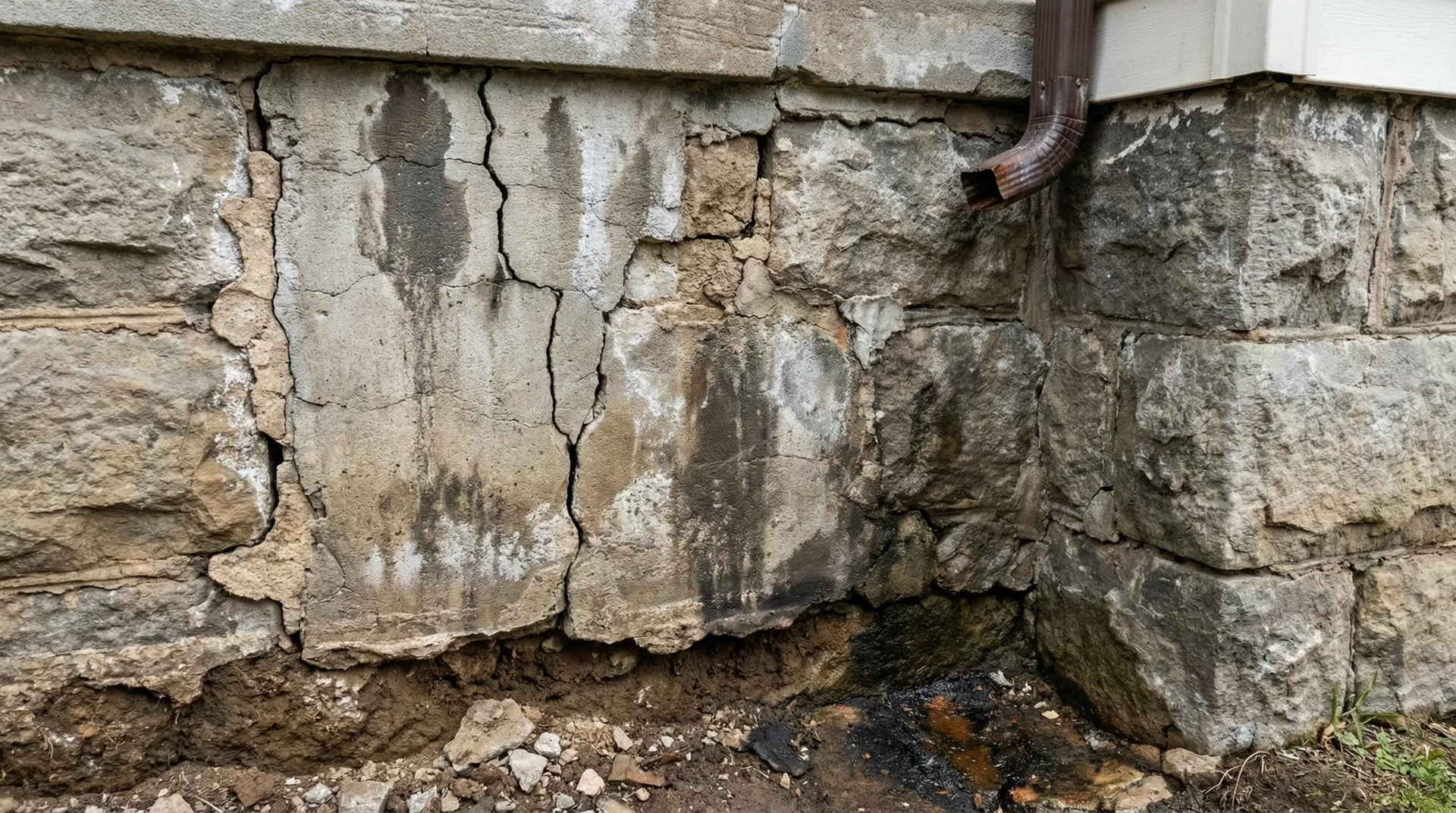
Visible foundation cracks, water damage, and deteriorating mortar are serious red flags requiring professional structural assessment
What to watch for: Look for visible cracks in the foundation, particularly diagonal cracks that suggest structural movement. Water stains, efflorescence (white mineral deposits), and signs of moisture damage indicate ongoing water intrusion. In basements, check for cracks in concrete or stone, bowing walls, or gaps between the foundation and the house frame. These signs suggest either past or ongoing settlement issues.
Why it matters: Foundation repairs are among the most expensive in real estate. A foundation with serious issues can require underpinning, which can cost $20,000 to $100,000 or more. Even seemingly minor cracks can indicate larger structural problems. In the Lower Mainland's wet climate, water intrusion through foundation cracks leads to mold, rot, and further structural deterioration.
What to do: Always hire a professional structural engineer to inspect the foundation before purchase. Don't rely solely on a general home inspector. Ask about the foundation type, age, and any previous repairs. Request documentation of any past foundation work. If significant issues are identified, obtain detailed repair estimates before proceeding.
Red Flag #2: Roof Condition and Age
The roof is your home's primary defense against the Lower Mainland's notorious rain. Heritage homes often feature beautiful original roofing materials—slate, clay tiles, or wood shingles—that are both charming and expensive to maintain or replace.
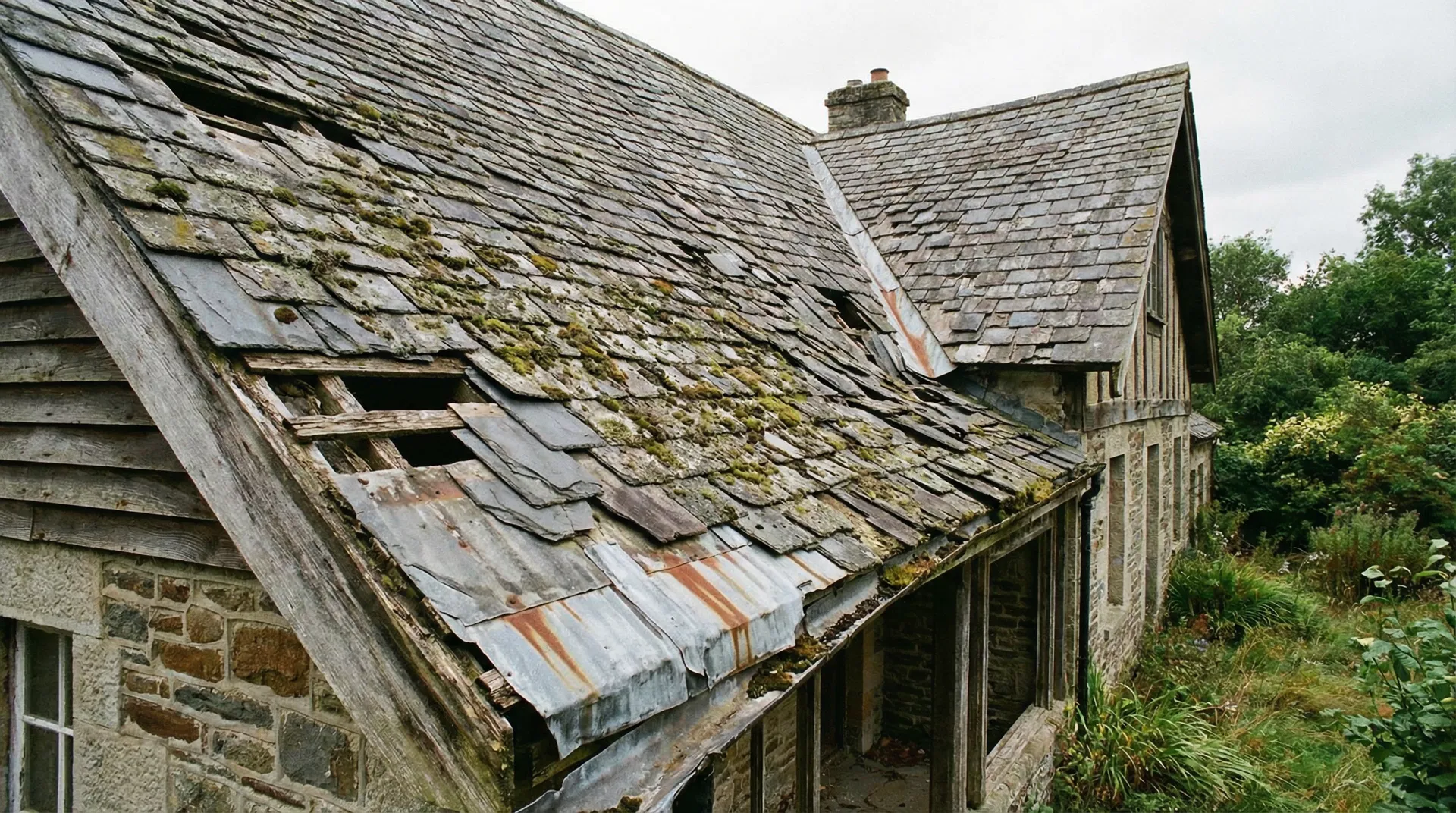
Missing shingles, moss growth, and visible deterioration indicate a roof nearing the end of its lifespan
What to watch for: Look for missing or curling shingles, moss or algae growth (common in the Lower Mainland's damp climate), sagging roof lines, or visible deterioration. Check gutters for excessive granule loss from shingles. From inside the attic, look for water stains, light coming through the roof, or signs of past leaks. Ask the seller about the roof's age and any recent repairs.
Why it matters: Roof replacement is one of the most expensive home repairs. A new roof for a heritage home can cost $15,000 to $50,000 or more, depending on size and materials. If the original roofing materials are being preserved for heritage reasons, costs escalate significantly. In the Lower Mainland's rainy climate, a failing roof leads to water damage, rot, and mold—problems that compound quickly and expensively.
What to do: Have a professional roofer inspect the roof before purchase. Ask specifically about remaining lifespan and any needed repairs. If the roof is nearing the end of its life, factor replacement costs into your offer. For heritage homes with original materials, research restoration specialists and obtain quotes for appropriate repairs or replacement.
Red Flag #3: Outdated Electrical and Plumbing Systems
Electrical and plumbing systems are the circulatory and nervous systems of your home. Heritage homes often contain systems that are not only outdated but potentially dangerous.
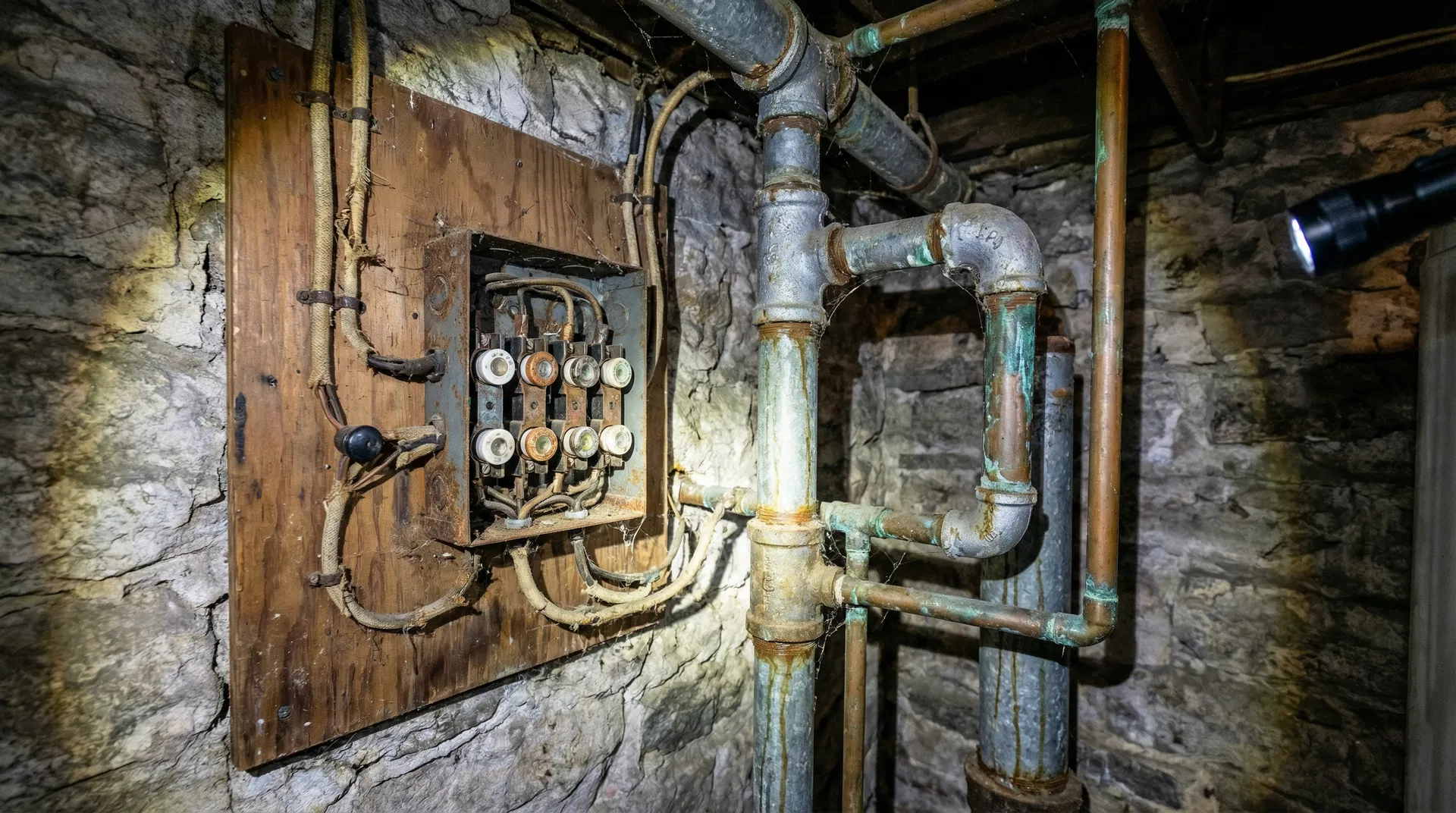
Knob-and-tube wiring and deteriorating plumbing systems pose safety and functionality risks
What to watch for: In electrical systems, look for fuse boxes (rather than modern circuit breakers), knob-and-tube wiring, or cloth-wrapped wiring. These systems are fire hazards and often inadequate for modern electrical demands. In plumbing, watch for galvanized pipes (which corrode and restrict water flow), cast iron drain pipes (which rust), or lead pipes (a serious health hazard). Signs include low water pressure, discolored water, or frequent plumbing issues.
Why it matters: Replacing electrical systems in a heritage home can cost $10,000 to $30,000 or more, depending on the home's size and complexity. Full plumbing replacement can cost $15,000 to $40,000. Beyond cost, outdated electrical systems pose fire risks, and lead pipes present serious health hazards, particularly for young children and pregnant women. Insurance companies may refuse to insure homes with certain outdated systems.
What to do: Hire a licensed electrician and plumber to inspect these systems before purchase. Ask specifically about safety concerns and code compliance. Obtain detailed estimates for any necessary upgrades. Some insurance companies require upgrades before they'll insure the home. Budget for these improvements as part of your purchase decision.
Red Flag #4: Asbestos and Other Hazardous Materials
Heritage homes built before the 1980s often contain asbestos—a material once considered miracle-like for its fire resistance and insulation properties, now known to cause serious health problems including mesothelioma and lung cancer.
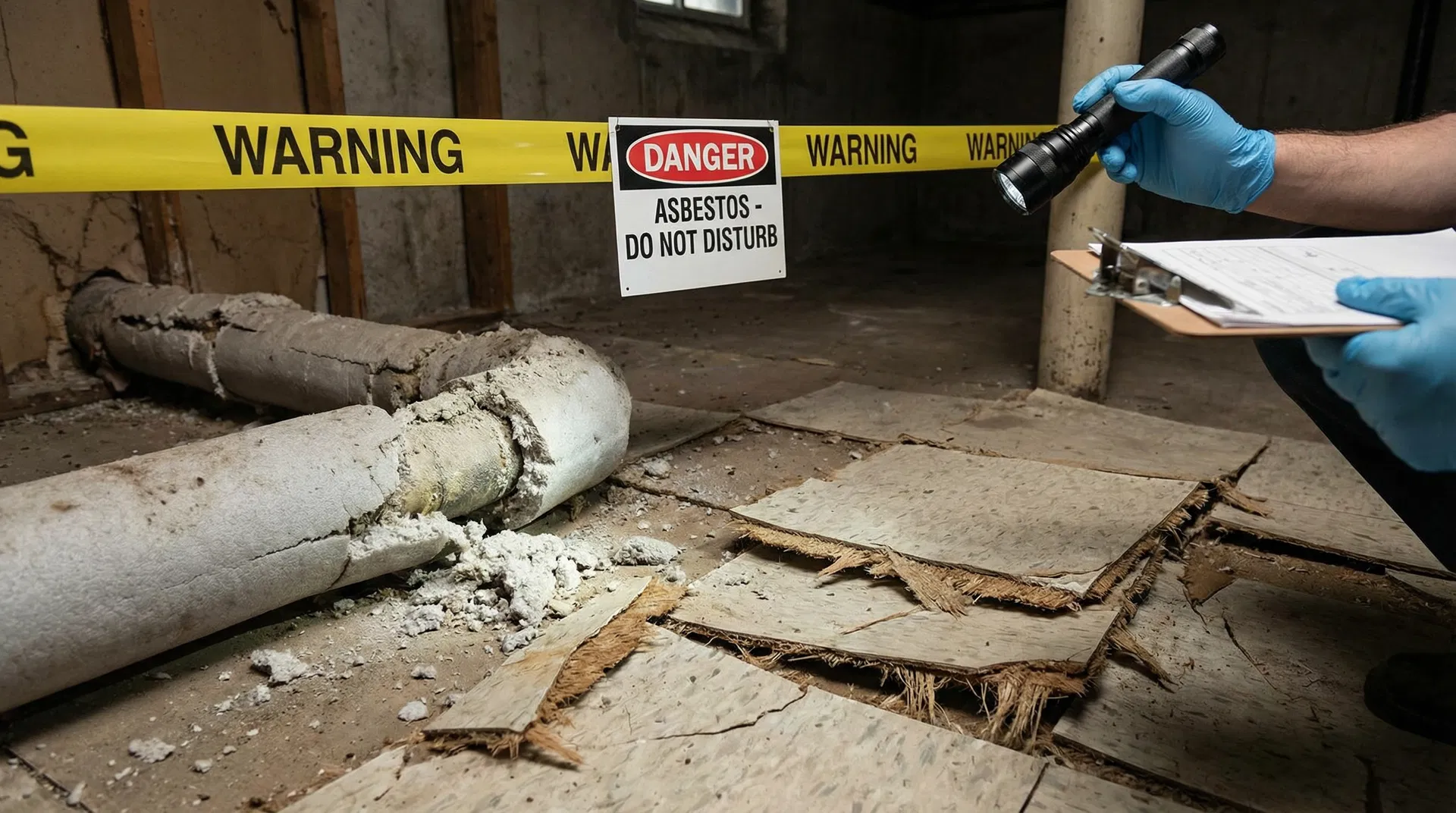
Deteriorating asbestos materials require professional remediation and pose serious health risks
What to watch for: Asbestos can be found in insulation, floor tiles, ceiling tiles, pipe wrapping, roofing materials, siding, and joint compounds. If materials appear deteriorated or friable (crumbly), the risk increases significantly. You may also encounter lead paint, which poses particular risks to young children. Some heritage homes contain both asbestos and lead paint.
Why it matters: Asbestos remediation is expensive and must be handled by certified professionals. Removal can cost $5,000 to $20,000 or more, depending on the extent. Beyond cost, asbestos exposure poses serious health risks. Lead paint remediation, while less expensive, also requires professional handling. These hazards can affect your family's health and your ability to sell the home in the future.
What to do: Request an asbestos survey and lead paint assessment before purchase. These specialized inspections cost $500-$1,500 but are essential. If asbestos or lead paint is found, obtain professional remediation estimates. Some buyers negotiate seller responsibility for remediation; others factor costs into their offers. Never disturb suspected asbestos materials—professional removal is essential.
Red Flag #5: Deferred Maintenance and Lack of Care
Perhaps the most telling red flag is simple neglect. While some deferred maintenance is cosmetic, systematic neglect often indicates deeper, hidden problems.
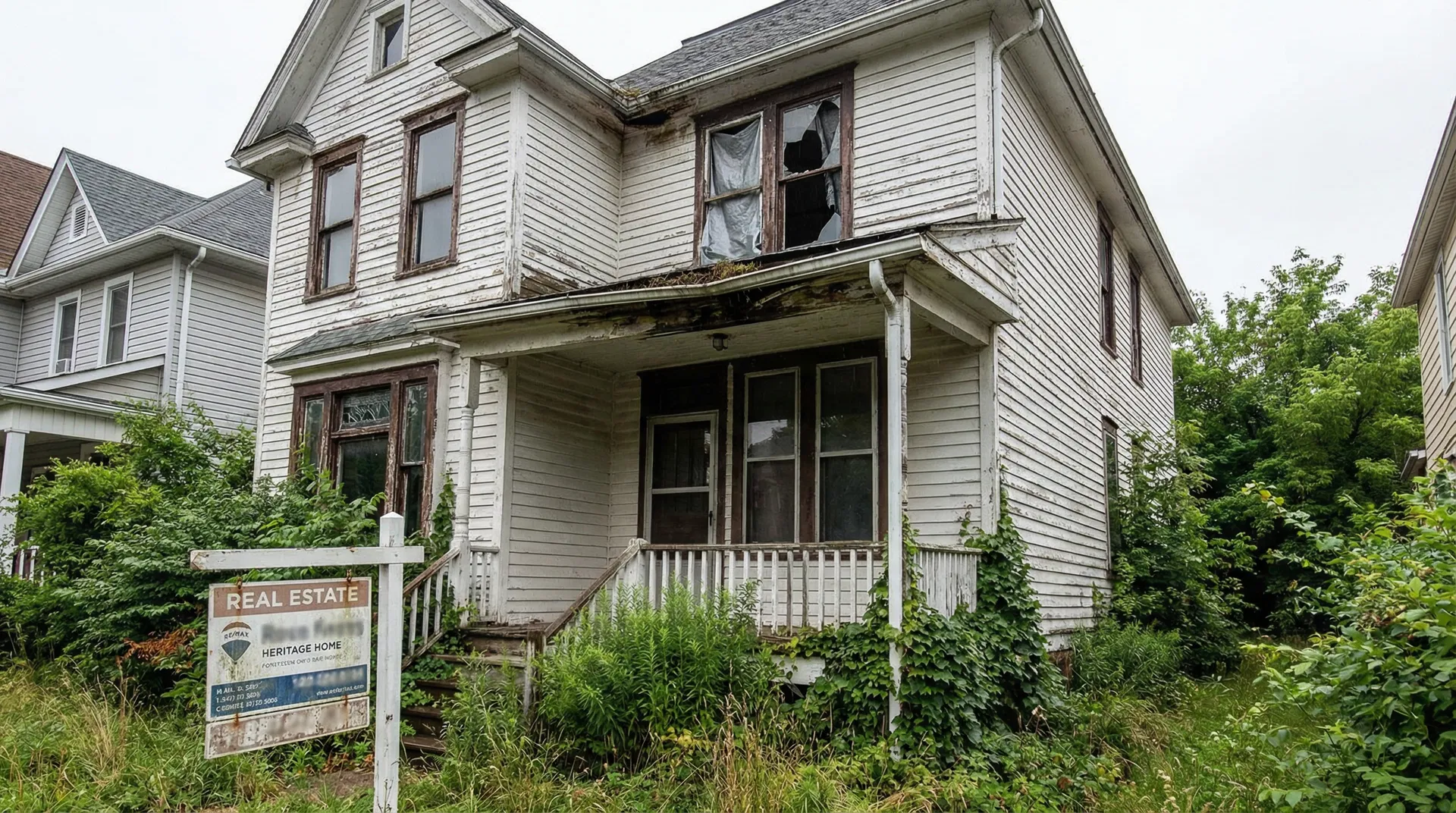
Systematic neglect—peeling paint, rotting wood, broken windows—indicates deeper maintenance issues
What to watch for: Look for peeling paint, rotting wood trim, deteriorating siding, broken windows, sagging gutters, and overgrown landscaping. Inside, check for water stains, mold, damaged plaster, or signs of pest infestation. Ask about maintenance records. Sellers who can't provide documentation of regular maintenance should raise concerns.
Why it matters: Deferred maintenance compounds over time. A small roof leak becomes a large water damage problem. Neglected gutters lead to foundation issues. Peeling paint exposes wood to rot. What appears to be cosmetic neglect often masks systemic problems. Homes that have been neglected for years typically have multiple issues that require coordinated, expensive repairs.
What to do: During your inspection, look beyond cosmetic issues to understand what they reveal about overall maintenance. Ask the seller about maintenance history. If you see signs of systematic neglect, budget conservatively for repairs—problems are often worse than they initially appear. Consider hiring a specialized heritage home inspector who understands the particular vulnerabilities of older homes.
The Importance of Professional Inspection
Heritage homes require specialized inspection expertise. A general home inspector may miss issues specific to older homes, such as the particular vulnerabilities of heritage foundations, the specific risks of original electrical systems, or the structural implications of modifications made over the decades.
Before purchasing any heritage home, invest in comprehensive professional inspections: a general home inspection, a specialized structural inspection, electrical and plumbing assessments, and environmental testing for asbestos and lead. These inspections typically cost $2,000 to $4,000 combined—a small investment compared to the cost of discovering major problems after purchase.
Working with a Heritage Home Specialist
Heritage homes are different from contemporary properties, and their purchase requires different expertise. A real estate agent experienced in heritage homes understands the particular issues these properties present, can help you evaluate inspection findings in context, and can guide you through the unique aspects of heritage home transactions.
When you're considering a heritage home purchase, working with someone who understands both the charm and the challenges of these properties can make an enormous difference in your experience and your long-term satisfaction with your investment.
The Bottom Line
Heritage homes offer incomparable character, architectural beauty, and investment potential. But they also come with unique risks that require careful evaluation. By understanding these five red flags and taking time for thorough professional inspection, you can make an informed decision about whether a particular heritage home is right for you.
The goal isn't to avoid heritage homes—it's to approach them with eyes wide open, understanding both their potential and their challenges. When you find the right heritage home and purchase it with full knowledge of its condition, you're making an investment in a piece of architectural history that will bring joy and value for decades to come.
Share This Article
Ana Matovinovic
Heritage homes specialist throughout the Lower Mainland, including Shaughnessy, Kitsilano, Mount Pleasant, Vancouver's West End, the North Shore, Burnaby, and New Westminster. Ana brings a European perspective on heritage preservation, combining respect for architectural history with modern comfort and luxury.
Related Articles
Victorian Architecture in Shaughnessy: Preserving Architectural Masterpieces
Explore the distinctive Victorian and Edwardian architectural styles that define Shaughnessy and learn how to preserve these architectural gems.
Heritage Home Inspection Checklist: A Comprehensive Guide to Evaluating Your Property
Learn what to look for during a heritage home inspection, from foundations to electrical systems, with expert guidance for Lower Mainland properties.
Learn More About Heritage Homes
Our Services
Discover how we specialize in marketing heritage homes with authentic storytelling and strategic positioning.
Explore Services →Heritage Resources
Access guides, tips, and resources for preserving and maintaining your heritage home's character and value.
View Resources →Interested in Heritage Home Marketing?
Let's discuss how to position your heritage home and connect with buyers who truly value its character and significance.
Schedule a Consultation