Heritage Alteration Permits in Vancouver: Understanding the Rules and Protecting Your Home's Legacy
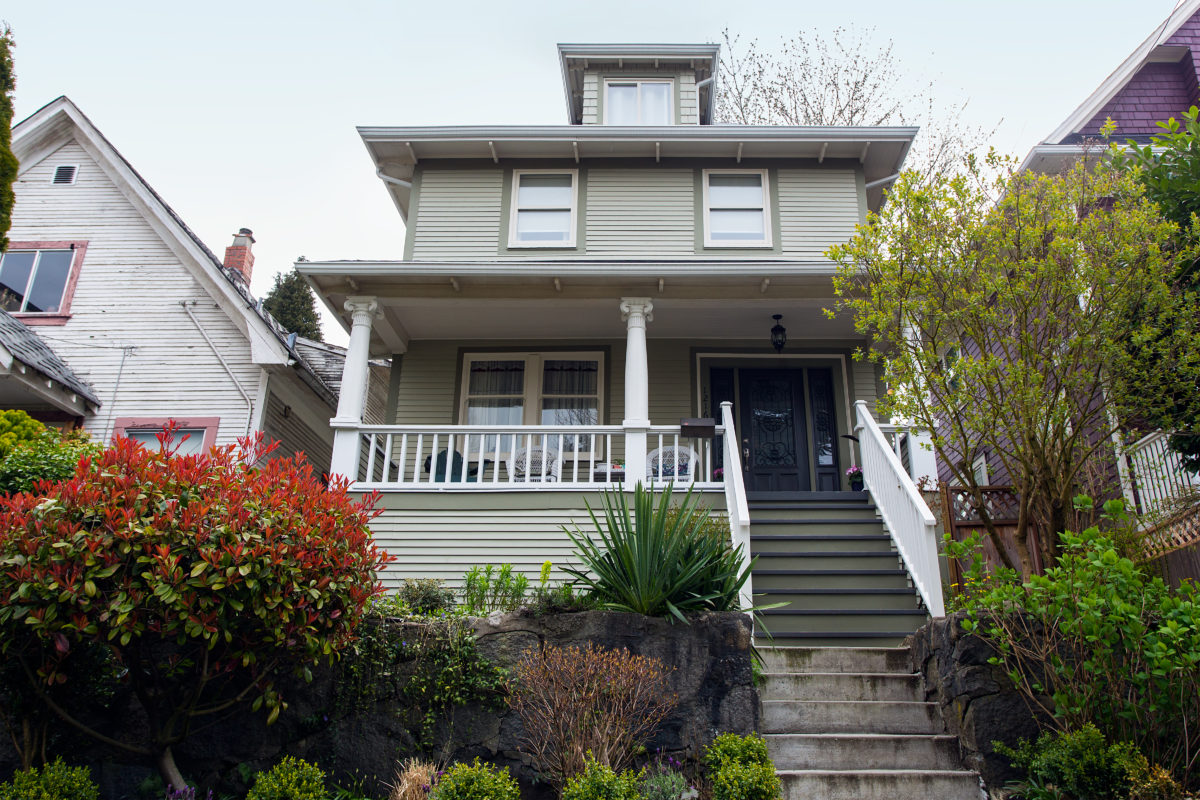
When you own a heritage home in Vancouver—whether it's a Victorian mansion in Shaughnessy, a craftsman bungalow in Kitsilano, or an Edwardian character home in Mount Pleasant—the prospect of renovation can feel daunting. The words "heritage designation" and "alteration permit" often conjure images of bureaucratic hurdles, endless approvals, and restrictions that prevent you from modernizing your home. The reality, however, is far more nuanced. Understanding how heritage alteration permits work in Vancouver isn't just about navigating regulations—it's about stewardship. It's about making thoughtful decisions that honor your home's architectural legacy while creating a space that works for contemporary living.
The good news? You have more freedom than you might think. And with the right guidance, the permit process becomes manageable, even straightforward.
Two Different Paths: Heritage Designation vs. Character Overlay
The first step in understanding heritage alteration permits is recognizing that not all heritage homes are treated the same way. Vancouver has two distinct categories, and which one applies to your home will determine your renovation flexibility and permit requirements.
Formally Heritage-Designated Properties
If your home is listed on the Vancouver Heritage Register, it has formal legal protection. These properties fall into two categories: Category A (the most significant historic buildings) and Category B (important buildings with significant heritage value). Think of Category A designations as the crown jewels—the grand Shaughnessy estates, landmark commercial buildings, and architecturally significant structures that define Vancouver's character at the citywide level. Category B properties are also important, but with slightly less stringent protection.
For both categories, any exterior alteration—including window replacement, siding changes, porch modifications, or roofline adjustments—requires Heritage Commission approval. This is not a simple administrative process. It involves formal review, often includes community input, and can extend your project timeline by six to twelve weeks. Interior work, by contrast, is generally unrestricted. You can gut the inside, reconfigure rooms, and modernize systems without Heritage Commission involvement.
Character House Overlay: The Most Common Scenario
The vast majority of Vancouver's pre-1940 homes fall under the Character House Overlay—a zoning designation that applies across most single-family residential zones. This is the category most homeowners are working with, and here's the critical distinction: the character overlay is primarily concerned with what your home looks like from the street. The exterior character-defining features—the roofline, the front porch, the window style, the siding material—must be retained or replicated in a compatible manner. The interior, however, is essentially yours to do with as you please.
This distinction is liberating. It means you can have a heritage home that looks authentically period from the outside while enjoying a fully modern, open-concept interior. You can remove load-bearing walls, add bathrooms, develop the basement, and create the functional living space you need—all without Heritage Commission involvement. You need standard building permits, yes, but not heritage-specific approval.
Verifying Your Property's Status
Before you make any plans, you need to know which category applies to your home. This is non-negotiable. Starting renovation work without confirming your heritage status is a recipe for costly delays.
Check the Vancouver Heritage Register. Visit heritage.vancouver.ca and search for your address. This will tell you definitively whether your home is formally designated and, if so, which category it falls under.
If you're not listed, check for character overlay status. This information appears on your property's zoning schedule in the City of Vancouver's Zoning and Development By-law. You can also contact the Development and Building Services Centre at 604-873-7611 for clarity. When in doubt, submit a development permit inquiry. A brief conversation with City staff now will save you months of uncertainty later.
Understanding the Heritage Alteration Permit Process
If your home is formally heritage-designated, you'll need a Heritage Alteration Permit for exterior work. Here's how the process typically unfolds.
Step 1: Verify Heritage Status and Gather Documentation
You've already confirmed your home is on the Heritage Register. Now, determine whether a Statement of Significance (SOS) is already on file. This is a document that summarizes your home's key heritage values and character-defining elements. If one exists, you're ahead of the game. If not, you'll need to commission one from a heritage consultant. This typically costs $5,000 to $20,000, depending on your home's complexity. Yes, it's an investment. But it's also the difference between a smooth permit process and a six-month back-and-forth with City staff.
Step 2: Develop a Conservation Strategy
Work with Heritage Planning staff to outline how your proposed changes will preserve and respect your home's heritage values. This isn't about preventing change—it's about ensuring that change is thoughtful and informed. Your conservation strategy should document the current condition of heritage elements, explain what you're proposing to alter, and demonstrate how your work aligns with the Standards and Guidelines for the Conservation of Historic Places in Canada. This is the framework the City uses to evaluate heritage projects.
Step 3: Prepare Architectural Drawings and Reports
Your architect or heritage consultant will prepare detailed drawings showing the current condition of your home and the proposed changes. For more complex projects—particularly those involving structural work or seismic upgrades—you may also need physical and structural assessment reports. These documents become part of your permit application.
Step 4: Submit for Heritage Review
Once your application is complete, it goes to Heritage Planning staff for review. If your project is straightforward and aligns with conservation guidelines, staff may approve it administratively. If it's more complex or involves significant changes, it goes to the Heritage Commission for formal review. The Commission meets monthly, so budget for a 6-12 week timeline if Commission review is needed.
During this process, City staff will inform you about available incentives and conservation grants that could support your project. These might include the Vancouver Heritage Foundation Planning Project Grant program (which helps cover SOS preparation costs) or the Character Home Retention Program (for pre-1940 homes in certain zones).
Common Mistakes That Delay Permits
In my work with heritage homeowners, I've seen certain patterns emerge. These mistakes are almost always preventable—if you know what to watch for.
Starting work before confirming heritage status. This is the most costly mistake. Homeowners begin renovation work, discover mid-project that their home requires a Heritage Alteration Permit, and find themselves with incomplete work and no permit. The City can order work stoppage. Avoid this entirely by verifying status before you break ground.
Replacing original windows without understanding the rules. Windows are the most contentious heritage element. They're visible, they affect the home's character, and they're often the first thing homeowners want to replace. But for heritage-designated homes, window replacement requires Heritage Commission approval. For character overlay homes, you must maintain the original size and style or replicate them in a compatible material. Custom heritage-appropriate windows cost $1,200 to $2,500 each (compared to $300-$800 for standard vinyl), but they're worth it. They preserve your home's character and often increase resale value.
Painting over original brick. Original brick fireplaces and exterior walls are highly valued by both the City and by buyers. Painting them is almost always a mistake. If your brick is in poor condition, restoration is almost always preferable to paint. If you're concerned about appearance, work with a heritage consultant to explore appropriate cleaning or repointing options.
Not hiring a heritage consultant early enough. This is the inverse of the first mistake. Homeowners try to navigate the process alone, submit an incomplete application, and face rejection or extensive revisions. A heritage consultant costs money upfront, but they prevent far costlier delays and rejections downstream.
Underestimating costs and timelines. Heritage renovation carries a 20-40% premium over equivalent work on non-heritage homes. This reflects real costs: specialist consultants, custom materials, extended permit timelines, and the care required to work on 80-year-old construction. Budget accordingly. A typical heritage exterior restoration plus interior renovation on a 1,200-1,800 sq ft home runs $250,000 to $500,000+. Seismic upgrades—common in pre-1940 homes—add $15,000 to $45,000. These aren't surprises if you plan for them.
What You Can and Cannot Change
The rules differ depending on whether your home is formally designated or under character overlay, but here's the practical breakdown.
On a Character Overlay Home (Most Common):
You cannot freely alter windows, exterior siding, the front porch, or the roofline. These character-defining features must be retained or replicated in a compatible manner. Rear additions are permitted if they're not visible from the street. Basement development is unrestricted—you can develop a full legal suite if you meet Building Code requirements.
The interior is yours. Remove walls, reconfigure rooms, add bathrooms, modernize systems. The only constraints are standard BC Building Code requirements and structural safety.
On a Formally Heritage-Designated Home:
Any exterior change requires Heritage Commission approval. Windows must be replicated with strict attention to original profiles and materials. Siding changes require approval. Roofline modifications require approval. Rear additions may require review depending on visibility and design. Interior work is generally unrestricted.
The principle is clear: the City protects what the public sees. The interior is your domain.
The Investment: Understanding Heritage Renovation Costs
Heritage renovation costs more. This is not a negotiable fact. But understanding where the money goes helps you make informed decisions.
A heritage architect or consultant typically costs $5,000 to $20,000 depending on project scope. Heritage documentation and investigation—required by the City for significant changes—runs $2,000 to $8,000. Custom window replication costs $1,200 to $2,500 per window. Original cedar bevel siding restoration costs $15 to $35 per square foot installed, compared to $8 to $20 for standard cladding. Extended permit timelines mean carrying costs on construction financing for an additional 6-12 weeks.
For a full interior renovation on a 1,200-1,800 sq ft character overlay home, expect $180,000 to $400,000. Add exterior restoration, and the range climbs to $250,000 to $500,000+. Seismic upgrades—increasingly common as homeowners address structural vulnerabilities in pre-1940 homes—add $15,000 to $45,000.
These are not arbitrary numbers. They reflect the reality of working on homes built 80-100+ years ago, with materials and construction techniques that require specialist knowledge and custom solutions.
Available Incentives and Support
The City recognizes that heritage conservation requires investment. Several programs exist to help offset costs.
The Vancouver Heritage Foundation Planning Project Grant program helps cover the costs of preparing a Statement of Significance. The Character Home Retention Program provides incentives for pre-1940 homes in R1-1 zones. Heritage Revitalization Agreements (HRAs) allow property owners to negotiate conservation requirements in exchange for development flexibility. During your Heritage Alteration Permit review, City staff will inform you about incentives applicable to your specific property and project.
Moving Forward: A Practical Path
If you own a heritage home in Vancouver and are contemplating renovation, here's how to proceed.
First, verify your property's heritage status. Check heritage.vancouver.ca or contact Development and Building Services at 604-873-7611. Spend 15 minutes on this. It will clarify everything that follows.
Second, if you're formally designated, consult with a heritage professional. A heritage architect or consultant will review your project scope, advise on permit requirements, and guide you through the application process. This is not an optional expense—it's the difference between a smooth process and a frustrating one.
Third, develop your project with heritage values in mind. This doesn't mean you can't modernize. It means you're making conscious decisions about what to preserve, what to adapt, and what to replace. The homes that age best are those where owners understand and respect their heritage while creating livable, contemporary spaces.
Finally, budget for the full cost and timeline. Heritage renovation takes longer and costs more than standard work. Plan accordingly. The investment, however, typically pays dividends. Heritage homes in well-maintained condition appreciate steadily, and buyers increasingly value authenticity and character over cookie-cutter perfection.
Your Home's Story Matters
Your heritage home isn't just a property. It's a repository of architectural history, craftsmanship, and community identity. The Heritage Alteration Permit process exists not to prevent change, but to ensure that change is thoughtful, informed, and respectful of what came before.
Understanding the rules—and working with professionals who know them—transforms the permit process from an obstacle into a framework for stewardship. It allows you to modernize your home while preserving the qualities that make it special. And it ensures that when you eventually pass the home to the next owner, it retains the character and integrity that drew you to it in the first place.
Your heritage home has a story. Make sure your renovation honors it.
Share This Article
Ana Matovinovic
Heritage homes specialist throughout the Lower Mainland, including Shaughnessy, Kitsilano, Mount Pleasant, Vancouver's West End, the North Shore, Burnaby, and New Westminster. Ana brings a European perspective on heritage preservation, combining respect for architectural history with modern comfort and luxury.
Related Articles
Victorian Architecture in Shaughnessy: Preserving Architectural Masterpieces
Explore the distinctive Victorian and Edwardian architectural styles that define Shaughnessy and learn how to preserve these architectural gems.
Heritage Home Inspection Checklist: A Comprehensive Guide to Evaluating Your Property
Learn what to look for during a heritage home inspection, from foundations to electrical systems, with expert guidance for Lower Mainland properties.
Learn More About Heritage Homes
Our Services
Discover how we specialize in marketing heritage homes with authentic storytelling and strategic positioning.
Explore Services →Heritage Resources
Access guides, tips, and resources for preserving and maintaining your heritage home's character and value.
View Resources →Interested in Heritage Home Marketing?
Let's discuss how to position your heritage home and connect with buyers who truly value its character and significance.
Schedule a Consultation