The Art of Modernizing Heritage Kitchens While Preserving Charm
The Heritage Kitchen Challenge
Original heritage kitchens in Shaughnessy homes tell a story of their era. Built in the late 1800s and early 1900s, these kitchens were designed for a different way of living—often cramped, poorly lit, and separated from the rest of the home. They were utilitarian spaces where servants or family members prepared meals, not the open, connected gathering spaces we value today.
Yet these kitchens hold charm and character. Original cabinetry, period hardware, and architectural details like arched doorways or decorative tile work reflect the craftsmanship of their time. The challenge for today's homeowners is clear: how do you create a modern, functional kitchen that appeals to contemporary living while honoring the home's heritage character?
The answer lies in thoughtful, intentional renovation—a strategy that balances modern comfort with architectural preservation.
Understanding the Original Kitchen Layout
Before planning renovations, it's important to understand what made heritage kitchens distinctive. Most Victorian and Edwardian kitchens in Shaughnessy share common characteristics:
- Separate from living spaces: Kitchens were intentionally isolated, often accessed through a butler's pantry or service corridor.
- Limited natural light: Windows were small, and the kitchen was often positioned away from primary rooms.
- Compact work areas: Designed for efficiency with servants or family members working in tight quarters.
- Distinctive architectural details: Original cabinetry, tile work, hardware, and sometimes decorative plasterwork or arched doorways.
- Separate dining: Formal dining rooms were distinct from kitchen spaces, reflecting social hierarchies of the era.
Understanding these original characteristics helps inform renovation decisions. Rather than erasing them, thoughtful renovations can honor them while creating modern functionality.
The Before-and-After Transformation
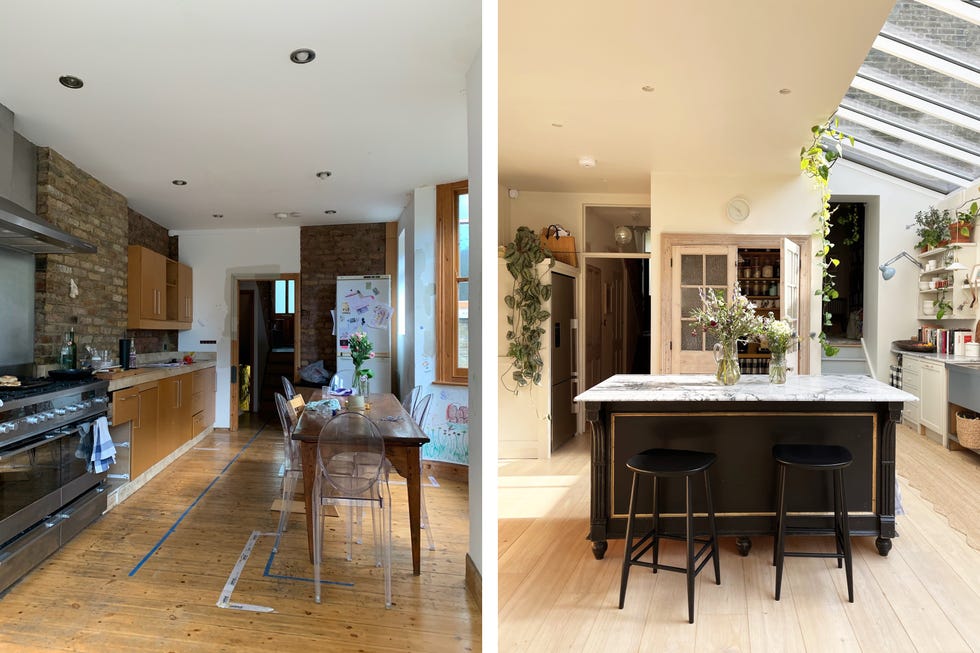
Professional Victorian kitchen renovation that preserves architectural character while introducing modern functionality and light
A successful heritage kitchen renovation typically involves opening the space to adjacent rooms, introducing natural light, and creating a modern layout while preserving key architectural elements. The goal is to create a kitchen that feels both contemporary and authentically connected to the home's heritage.
One approach is to remove walls between the kitchen and dining room or family room, creating an open-concept space that's more aligned with modern living. However, this doesn't mean erasing heritage elements. An arched doorway can be preserved as a design feature, original stone walls can be exposed and celebrated, and period-appropriate materials can be incorporated into the new design.
Key Strategies for Heritage Kitchen Modernization
1. Preserve Architectural Features
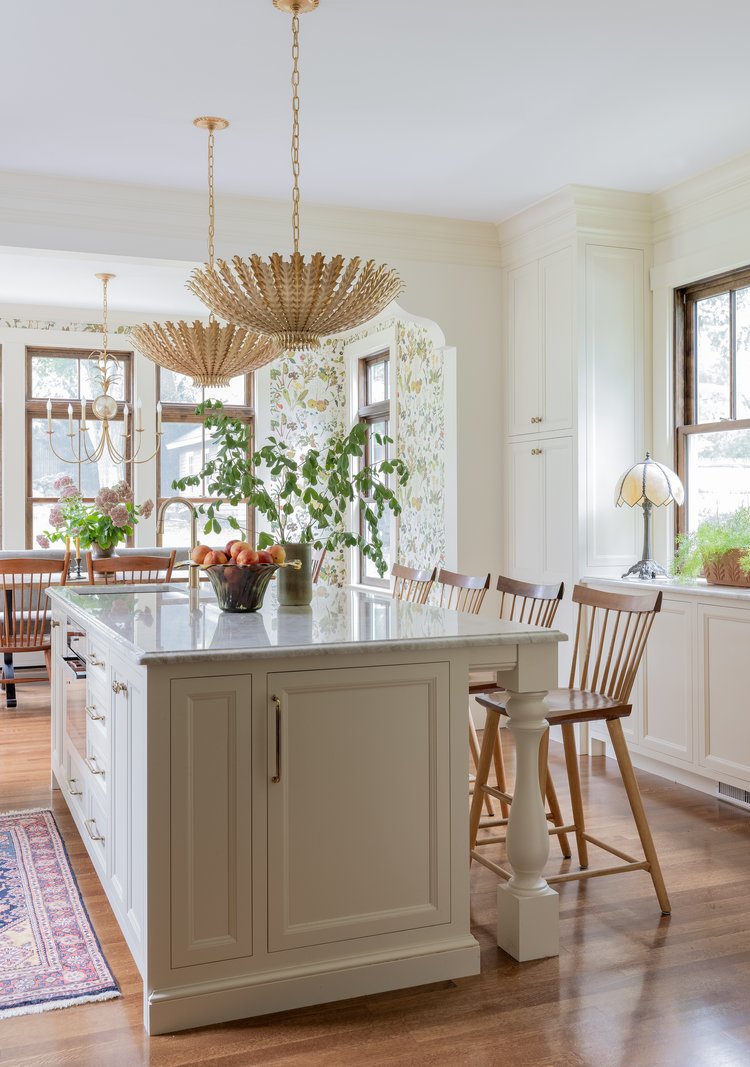
Modern kitchen design that honors original architectural features and period materials
Rather than removing original architectural elements, consider how they can be incorporated into the new design. Original arched doorways, decorative tile work, or stone walls can become focal points of the modernized kitchen. Preserving these features tells the story of the home's heritage while creating visual interest and character that new kitchens cannot replicate.
If original cabinetry is in good condition, consider restoring it rather than replacing it. Refinished heritage cabinetry can be mixed with modern elements—stainless steel appliances, contemporary countertops, and updated hardware—to create an eclectic, sophisticated look that feels both timeless and current.
2. Maximize Natural Light
Heritage kitchens were often dark and closed-off. Modern renovations typically introduce more windows and open the space to adjacent rooms, flooding the kitchen with natural light. This transformation makes the space feel larger, brighter, and more welcoming—a dramatic improvement over the original layout.
When adding windows, consider the home's architectural style. In Victorian homes, arched or multi-paned windows may be more appropriate than modern rectangular windows. In Edwardian homes, larger windows with simpler frames might be more fitting. The goal is to introduce light while maintaining architectural coherence.
3. Create an Open, Connected Layout
Modern living centers on the kitchen as a gathering space. Open-concept layouts that connect the kitchen to dining and living areas reflect this shift. Removing walls (where structurally feasible) creates flow and allows the kitchen to become a social hub rather than a hidden utility space.
A large island becomes the centerpiece of this new layout—providing workspace, seating, and a gathering point. The island can be designed to complement the home's architectural style, perhaps incorporating period-appropriate materials or details that echo the home's heritage.
4. Choose Materials That Honor Heritage
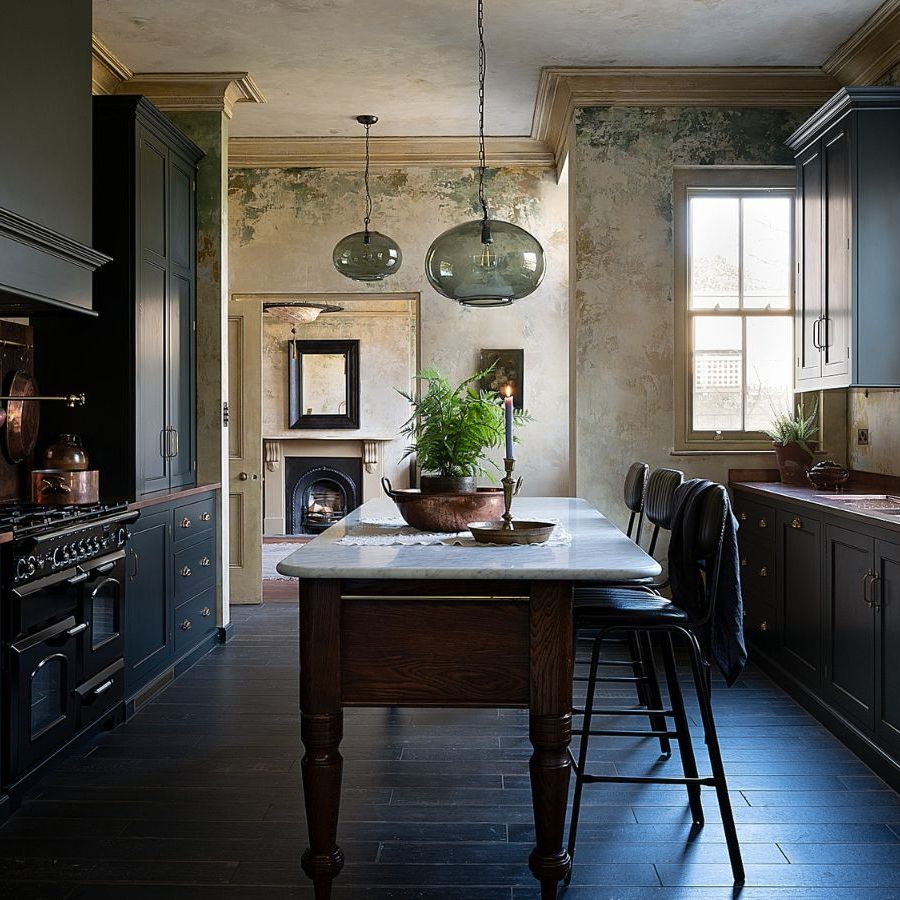
Heritage kitchen design using period-appropriate materials and color palettes
Material choices significantly impact how a modernized heritage kitchen feels. Rather than stark, minimalist materials, consider options that echo the home's era:
- Countertops: Marble, granite, or soapstone echo Victorian luxury. Butcher block provides warmth and authenticity.
- Cabinetry: Painted wood cabinetry in muted tones (sage green, charcoal, cream) feels more heritage-appropriate than sleek modern finishes.
- Backsplash: Subway tile, decorative tile, or even exposed brick can reference the home's original materials.
- Flooring: Hardwood, stone, or tile with period-appropriate patterns maintain visual continuity with the rest of the home.
- Hardware: Vintage-inspired or period-appropriate hardware reinforces the heritage aesthetic.
5. Integrate Modern Appliances Thoughtfully
Modern appliances are essential for functionality, but they can visually dominate a heritage kitchen if not carefully integrated. Consider:
- Panel-ready appliances: Refrigerators and dishwashers with custom panel fronts blend seamlessly with cabinetry.
- Integrated range hoods: Rather than prominent stainless steel hoods, consider integrated or custom-designed options that complement the cabinetry.
- Vintage-inspired finishes: Stainless steel appliances can work in heritage kitchens, but vintage-inspired designs or custom finishes feel more cohesive.
Real Estate Perspective: Why Buyers Value Heritage Kitchens
From a real estate standpoint, a thoughtfully modernized heritage kitchen significantly impacts buyer perception and property value. Buyers seeking heritage homes specifically want that character and authenticity—but they also want modern functionality and comfort.
A kitchen that successfully balances these elements becomes a major selling point. It demonstrates that the homeowner understands and respects the home's heritage while providing the contemporary amenities today's buyers expect. This balance often commands premium pricing compared to homes where heritage has been stripped away or where original kitchens remain outdated and non-functional.
In Shaughnessy's market, buyers are increasingly sophisticated about heritage preservation. They recognize the difference between a kitchen that honors the home's character and one that simply updates it. A modernized heritage kitchen that preserves architectural features, uses period-appropriate materials, and creates functional modern space appeals to the most discerning—and most willing—buyers.
Common Mistakes to Avoid
Several common mistakes can undermine a heritage kitchen renovation:
- Over-modernizing: Stripping away all heritage elements in pursuit of a contemporary look eliminates the character that makes heritage homes valuable.
- Ignoring architectural coherence: Choosing materials or styles that clash with the home's overall aesthetic creates a disjointed feel.
- Removing structural elements: Removing load-bearing walls without proper support or eliminating distinctive architectural features can damage the home's integrity.
- Neglecting lighting: Poor lighting design leaves a modernized kitchen feeling incomplete, despite other improvements.
- Choosing trendy finishes: Trendy materials or colors date quickly. Heritage-appropriate choices have longer aesthetic lifespans.
Planning Your Heritage Kitchen Renovation
Before beginning a heritage kitchen renovation, consider these steps:
- Document the original: Photograph and document original features before renovation. This creates a record and helps inform design decisions.
- Research your home's architectural style: Understanding your home's era and style informs material and design choices.
- Consult with heritage specialists: If your home is in a heritage district or has significant architectural value, consult with preservation specialists or architects experienced in heritage renovation.
- Plan for functionality: Modern kitchens need to work efficiently. Ensure your design provides adequate workspace, storage, and flow.
- Consider resale value: While personal preferences matter, remember that thoughtful heritage preservation typically adds more value than trendy, personalized choices.
The Bottom Line
Modernizing a heritage kitchen is one of the most impactful renovations you can undertake in a Shaughnessy home. Done thoughtfully, it transforms the kitchen into a functional, beautiful modern space while preserving the architectural character and authenticity that make heritage homes so desirable.
The key is balance: honor the home's heritage through preserved architectural features and period-appropriate materials, while introducing modern functionality and comfort. This approach creates kitchens that feel both contemporary and authentically connected to the home's history—and that balance is exactly what today's heritage home buyers are seeking.
If you're planning a heritage kitchen renovation, the goal should be clear: create a space that tells the story of your home's past while providing the comfort and functionality of today. That's the art of modernizing heritage kitchens while preserving charm.
Share This Article
Ana Matovinovic
Heritage homes specialist throughout the Lower Mainland, including Shaughnessy, Kitsilano, Mount Pleasant, Vancouver's West End, the North Shore, Burnaby, and New Westminster. Ana brings a European perspective on heritage preservation, combining respect for architectural history with modern comfort and luxury.
Related Articles
Victorian Architecture in Shaughnessy: Preserving Architectural Masterpieces
Explore the distinctive Victorian and Edwardian architectural styles that define Shaughnessy and learn how to preserve these architectural gems.
Heritage Home Inspection Checklist: A Comprehensive Guide to Evaluating Your Property
Learn what to look for during a heritage home inspection, from foundations to electrical systems, with expert guidance for Lower Mainland properties.
Learn More About Heritage Homes
Our Services
Discover how we specialize in marketing heritage homes with authentic storytelling and strategic positioning.
Explore Services →Heritage Resources
Access guides, tips, and resources for preserving and maintaining your heritage home's character and value.
View Resources →Interested in Heritage Home Marketing?
Let's discuss how to position your heritage home and connect with buyers who truly value its character and significance.
Schedule a Consultation