Spring Exterior Renovations: Preparing Your Heritage Home for Sale
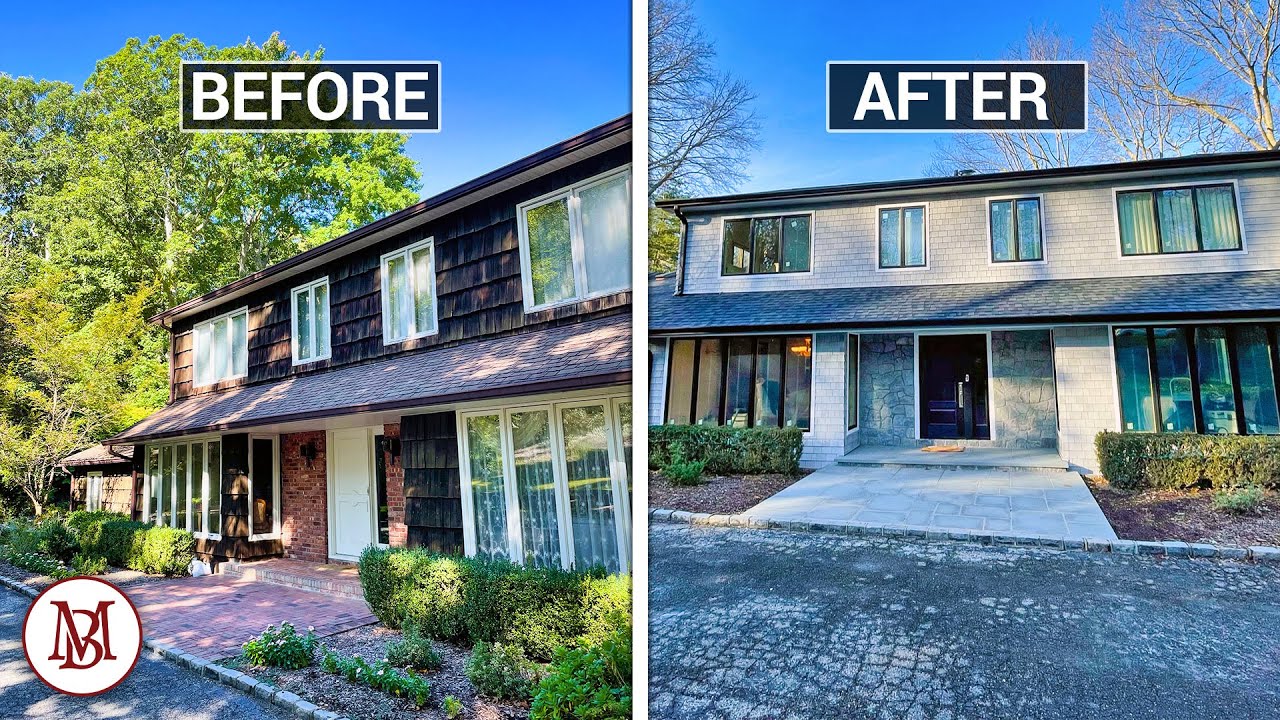
Spring is the season of renewal and transformation. For heritage homeowners considering selling, it's also the perfect time to prepare your home's exterior—the first impression that shapes a buyer's entire perception of your property.
Your heritage home's exterior tells a story. The roofline that has sheltered generations, the original siding that has weathered decades of Pacific Northwest weather, the front porch where countless visitors have been greeted, the mature landscaping that frames your home's character—these elements are not merely functional. They are the physical manifestation of your home's heritage and charm.
Yet heritage exteriors also present unique challenges. Original materials require specialized knowledge to maintain and restore. Modern building codes demand upgrades that must be thoughtfully integrated. The balance between preservation and modernization is delicate, and the stakes are high—both for your home's integrity and for its market appeal.
This guide walks heritage homeowners through the essential exterior renovation projects that prepare a home for sale while honoring its architectural character and legacy.
Understanding the Heritage Exterior
Before undertaking any exterior work, it's important to understand what makes your heritage home's exterior distinctive and valuable. Most heritage homes in the Lower Mainland—whether in Shaughnessy, Kitsilano, Mount Pleasant, the North Shore, or other established neighborhoods—were built between the 1890s and 1930s. Their exteriors reflect the architectural styles and construction methods of their era.
Victorian and Edwardian homes feature distinctive rooflines, often with multiple gables or turrets. Craftsman homes showcase exposed beam ends, decorative brackets, and thoughtfully proportioned porches. Tudor Revival homes display decorative half-timbering and steeply pitched roofs. Each style carries specific design intentions that should inform renovation decisions.
The exterior materials tell their own story. Original wood siding, brick or stone masonry, copper gutters, slate or cedar shake roofing—these materials were chosen for durability and aesthetic appeal. They've weathered a century or more of Pacific Northwest weather, and they continue to perform their function while adding irreplaceable character.
When preparing your home for sale, the goal is not to erase this history but to refresh and restore it. Buyers of heritage homes are typically sophisticated purchasers who understand and value authentic character. They're looking for homes where thoughtful renovation has enhanced rather than obscured the original design.
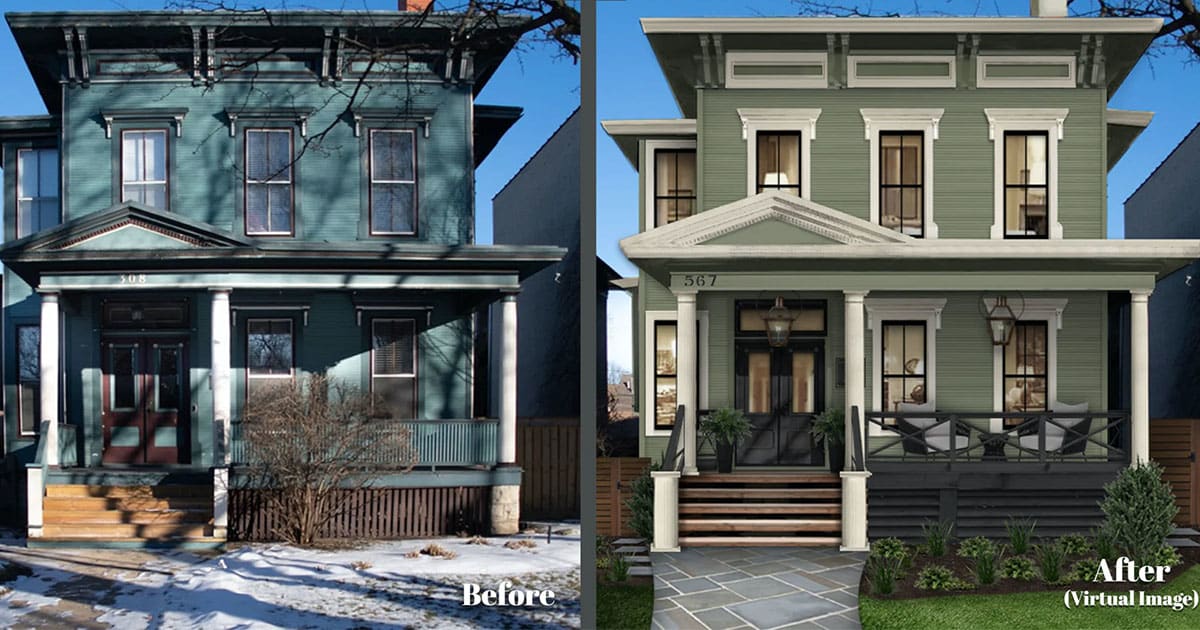
Victorian home exterior updates showing thoughtful restoration that preserves architectural character while modernizing functionality
The Roof: Your Home's Most Critical System
The roof is your heritage home's first line of defense against the elements, and it's often the first thing buyers evaluate. A well-maintained roof signals that the home has been cared for; a failing roof raises immediate concerns about the home's overall condition.
Assessing Your Roof's Condition
Before spring, have a professional inspector evaluate your roof. Look for missing or damaged shingles—gaps in roofing material expose the underlying structure to water infiltration. Even a few missing shingles should be addressed immediately.
Watch for sagging or uneven rooflines, which can indicate structural issues or the weight of accumulated debris and ice. Visible wear patterns on certain areas of the roof, particularly south-facing slopes or areas prone to standing water, require attention.
Flashing deterioration around chimneys, vents, and valleys is critical for water management. Corroded or separated flashing is a common source of leaks. Moss or algae growth, while common in the Pacific Northwest, can trap moisture and accelerate deterioration.
Roof Restoration vs. Replacement
For heritage homes, the decision between restoration and replacement is significant. Original materials—slate, cedar shake, or quality asphalt shingles—often have considerable lifespan remaining if properly maintained. Restoring original roofing materials preserves authenticity and appeals to heritage-conscious buyers.
However, if your roof has reached the end of its lifespan, replacement may be necessary. When replacing a heritage roof, match the original material and style as closely as possible. A new slate roof installed to match the original specification maintains the home's character while providing modern durability and weather protection.
The investment in roof work is substantial, but it's essential. Buyers will not overlook roof condition, and a failing roof can derail a sale or significantly reduce your home's value.
Gutters and Downspouts: Protecting the Foundation
Gutters and downspouts are often overlooked, yet they're critical for protecting your home's foundation, siding, and landscaping from water damage. Clogged or damaged gutters allow water to cascade down the exterior walls, leading to foundation settlement, basement moisture, and accelerated deterioration of siding and masonry.
Gutter Assessment and Cleaning
Before spring rains arrive, have gutters professionally cleaned and inspected. Remove accumulated debris—leaves, moss, and sediment—that can impede water flow. Check for separation from the fascia, rust or corrosion, improper slope, and damaged or missing downspout extensions that should extend at least 4-6 feet from the foundation.
Gutter Upgrades for Heritage Homes
If your gutters require replacement, consider materials that match your home's aesthetic. Copper gutters develop a distinctive patina over time and are prized on heritage homes. Seamless aluminum gutters offer durability and require less maintenance. Avoid vinyl gutters on heritage homes—they appear inexpensive and detract from architectural character.
Siding and Exterior Cladding: The Home's Face
Your home's siding is its largest exterior surface and the element most visible to potential buyers. Whether your heritage home features original wood siding, brick masonry, or stone cladding, the condition and appearance of this surface significantly impacts buyer perception.
Wood Siding Restoration
Original wood siding on heritage homes is typically high-quality material that, with proper maintenance, can last indefinitely. However, decades of weather exposure may have taken a toll.
Painting and finishing: If your home's wood siding is painted, spring is the ideal time for repainting. Choose colors that respect the home's architectural style and era. Historic color palettes—deep greens, warm grays, rich browns—are typically more appropriate than modern bright colors. A fresh coat of quality exterior paint protects the wood while dramatically improving curb appeal.
Wood repair: Inspect siding for rot, particularly at the base of the home and around windows and doors where water tends to collect. Rotted wood should be replaced with matching material. This is specialized work best handled by contractors experienced with heritage homes.
Siding replacement: If extensive sections of original siding are damaged beyond repair, replacement should match the original profile, width, and material as closely as possible. Vinyl siding is not appropriate for heritage homes—it detracts from authenticity and appeals to buyers seeking character.
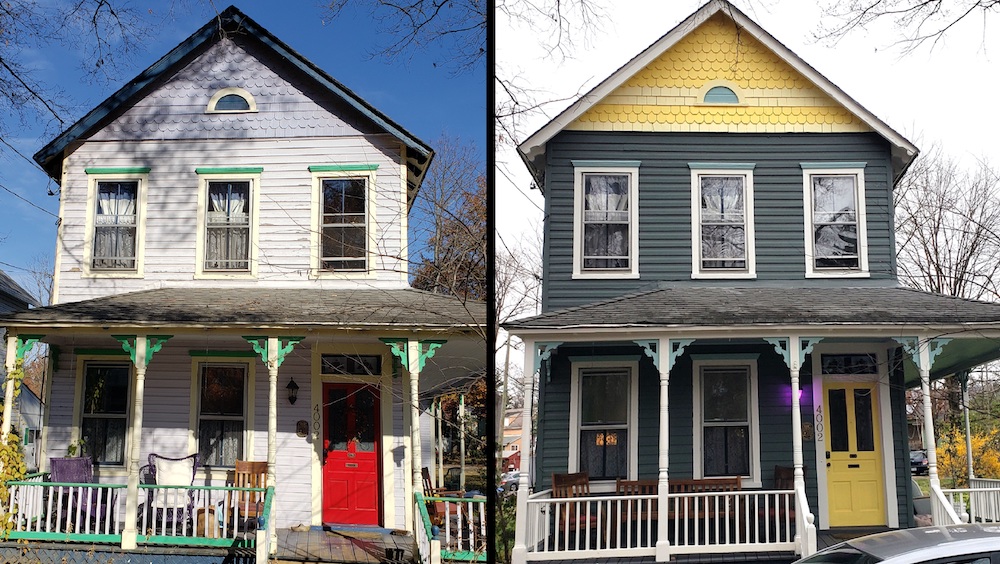
Historic home siding restoration showing careful preservation of original materials and architectural details
Masonry Care
Brick and stone exteriors require different maintenance approaches than wood siding. Mortar repointing—removing deteriorated mortar and replacing it with new mortar of matching composition—is essential maintenance. Use mortar that matches the original in color, composition, and strength. Incorrect mortar can damage the masonry.
Brick and stone can be cleaned to remove dirt, moss, and algae. However, avoid high-pressure washing, which can damage the masonry. Gentle cleaning with appropriate solutions is preferable. Some homeowners apply sealers to masonry to protect against water infiltration, but this should be done carefully, as improper sealing can trap moisture and cause damage.
Windows and Doors: Character and Function
Original windows and doors are often among the most distinctive features of heritage homes. Multi-paned windows with period-appropriate frames, solid wood doors with original hardware—these elements define the home's character and appeal to heritage-conscious buyers.
Window Restoration vs. Replacement
Original windows, even if they require maintenance, are generally preferable to replacement windows. Restoring original windows preserves authenticity and appeals to buyers seeking genuine heritage character. Window restoration includes repairing sashes, replacing deteriorated glazing putty, repainting frames, and ensuring windows operate smoothly. This work requires skill and patience, but the result is windows that function well while maintaining original character.
Window replacement should only be considered if original windows are beyond repair. If replacement is necessary, choose windows that match the original in style, profile, and glazing pattern. Avoid large single-pane windows or modern frames that compromise the home's character.
Door Restoration
Original exterior doors are often solid wood with distinctive hardware and glazing patterns. These doors are typically repairable and should be preserved whenever possible. Door refinishing reveals the wood's natural beauty and protects it from weather. This is far preferable to painting over original wood.
Original hardware—hinges, locks, knockers—can often be restored to working condition. If replacement is necessary, choose hardware that matches the original in style and finish. Modern weatherstripping can improve a door's energy efficiency without compromising its appearance.
Porches, Decks, and Outdoor Spaces
Porches and decks are often the most-used exterior spaces and are highly visible to visitors and potential buyers. These spaces should be well-maintained, safe, and inviting.
Porch Assessment and Repair
Heritage porches are architectural features that define the home's character. Deteriorated porches signal neglect and can be expensive to repair, so buyers scrutinize them carefully. Have the porch's structural system inspected. Look for rot in posts, beams, and flooring. Sagging or uneven porches indicate structural issues that must be addressed.
Original railings are often decorative and distinctive. Repair or restoration of original railings is preferable to replacement. If replacement is necessary, match the original design. Porch flooring should be in good condition and properly sealed. Deteriorated flooring is both a safety hazard and a sign of poor maintenance. Steps should be safe and well-maintained. Loose boards, cracked concrete, or missing railings are immediate concerns for buyers.
Deck Maintenance
If your home has a deck, it should be well-maintained. Check for rot, particularly in areas where water collects. Rotted boards should be replaced. The deck should be sealed or stained to protect the wood. Railings should be secure and meet current building codes. Loose or deteriorated railings are safety hazards. Stairs and access should be secure and slip-resistant. Handrails should be sturdy and properly installed.
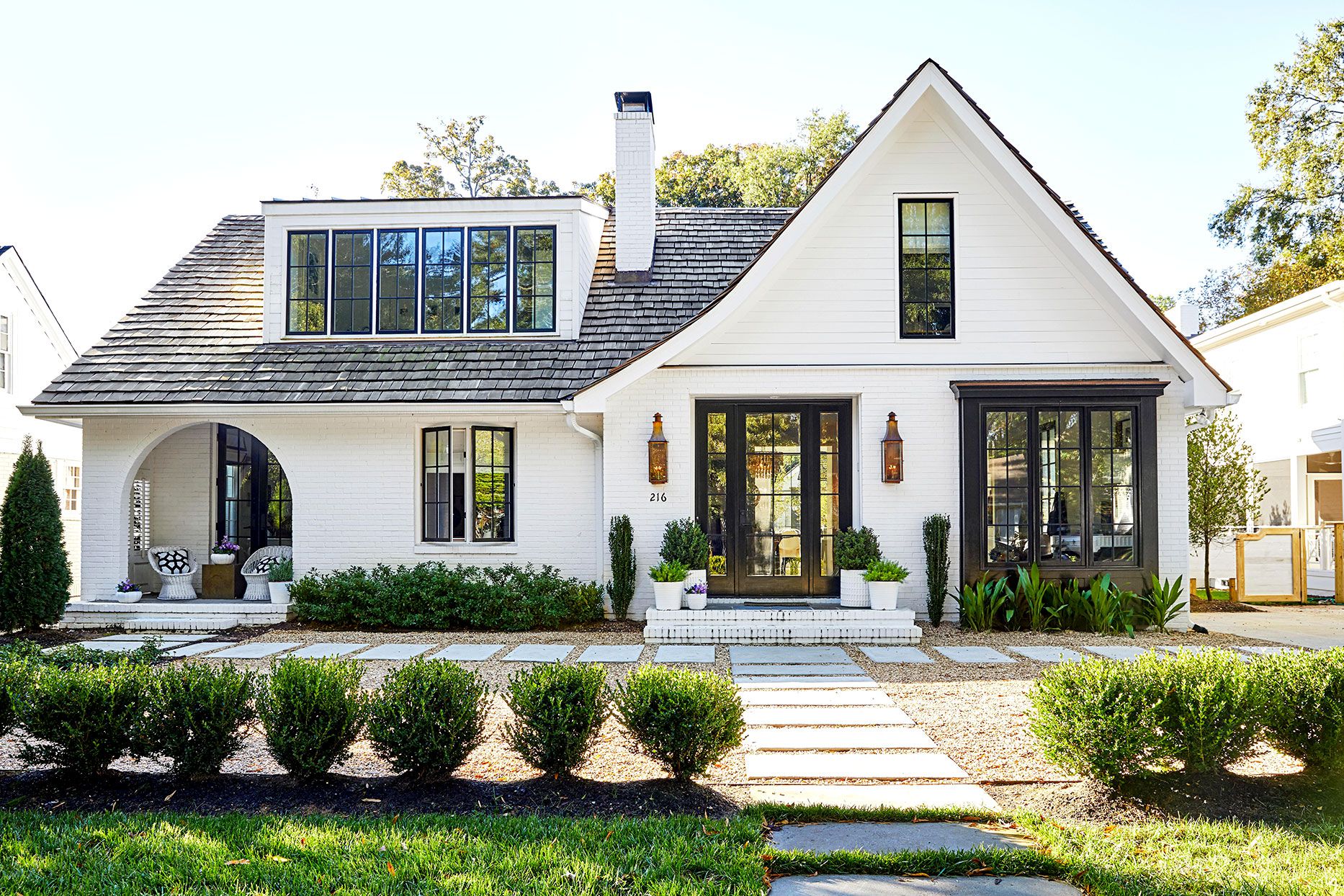
Collection of exterior renovation transformations showing diverse approaches to heritage home modernization
Landscaping and Curb Appeal
Your home's landscaping is the frame for the architectural portrait. Well-maintained landscaping dramatically enhances curb appeal and signals that the home has been cared for.
Spring Landscaping Priorities
Lawn care: A healthy, well-maintained lawn is fundamental to curb appeal. Spring is the time to address winter damage, overseed bare patches, and establish a regular maintenance schedule.
Shrub and tree pruning: Overgrown shrubs obscure the home's architectural features and make the property appear neglected. Selective pruning reveals the home's lines and character. Remove dead branches and shape shrubs to complement the home's architecture.
Mulch and groundcovers: Fresh mulch in planting beds refreshes the landscape's appearance. Native groundcovers and shade plants create visual interest and support local ecosystems.
Seasonal plantings: Spring flowers—tulips, daffodils, flowering shrubs—add color and vitality to the landscape. These plantings signal that the home is well-cared-for and welcoming.
Pathway and entry maintenance: The path to your front door should be clear, well-lit, and inviting. Remove debris, repair cracked pavement, and ensure the entry is accessible and attractive.
Mature Trees
Mature trees are invaluable assets to heritage properties. They provide shade, privacy, and character. However, they also require care. Have mature trees inspected by an arborist. Look for signs of disease, pest damage, or structural issues. Dead branches should be removed for safety. If trees are in good health, they should be preserved and highlighted as assets. Buyers of heritage homes often value mature landscaping highly.
Creating a Renovation Timeline
Preparing your heritage home's exterior for sale requires planning and coordination. Here's a suggested timeline for spring exterior work:
Early spring (March-April): Inspect roof, gutters, and overall exterior condition. Schedule professional assessments. Begin planning major projects.
Mid-spring (April-May): Complete roof repairs or replacement if needed. Clean and repair gutters. Begin siding work if required. Pressure-wash exterior surfaces gently to avoid damage.
Late spring (May-June): Complete painting and finishing work. Repair or restore windows and doors. Complete porch and deck work. Establish landscaping maintenance schedule.
Early summer (June-July): Complete all exterior work. Photograph the home for marketing materials. List the property.
This timeline allows time for quality work while ensuring the home is in peak condition for summer showings when buyer activity is typically highest.
The Value of Professional Guidance
Heritage home exterior renovation is specialized work. Contractors experienced with heritage homes understand the importance of preserving character while meeting modern building codes and buyer expectations. They know which materials are appropriate, which restoration techniques are effective, and how to balance authenticity with functionality.
Before undertaking major exterior work, consult with professionals experienced in heritage home renovation. The investment in expert guidance typically pays dividends in the quality of the work and the ultimate market value of your home.
Preparing for Sale
Your heritage home's exterior is the first thing potential buyers see. It shapes their entire perception of the property and influences their willingness to make an offer. A well-maintained, thoughtfully restored exterior signals that the home has been cared for, that its heritage is valued, and that it's ready for the next chapter of its story.
Spring exterior renovation is not merely about cosmetic improvement. It's about honoring your home's history while preparing it for a new owner who will appreciate and preserve its legacy. The work you invest in your home's exterior this spring will pay dividends when it comes time to sell—and will ensure that your heritage home continues to be cherished for generations to come.
Your home deserves a steward who understands its value. By preparing its exterior with care and intention, you're not just preparing to sell. You're ensuring that the next owner will recognize and honor the legacy your home represents.
Share This Article
Ana Matovinovic
Heritage homes specialist throughout the Lower Mainland, including Shaughnessy, Kitsilano, Mount Pleasant, Vancouver's West End, the North Shore, Burnaby, and New Westminster. Ana brings a European perspective on heritage preservation, combining respect for architectural history with modern comfort and luxury.
Related Articles
Victorian Architecture in Shaughnessy: Preserving Architectural Masterpieces
Explore the distinctive Victorian and Edwardian architectural styles that define Shaughnessy and learn how to preserve these architectural gems.
Heritage Home Inspection Checklist: A Comprehensive Guide to Evaluating Your Property
Learn what to look for during a heritage home inspection, from foundations to electrical systems, with expert guidance for Lower Mainland properties.
Learn More About Heritage Homes
Our Services
Discover how we specialize in marketing heritage homes with authentic storytelling and strategic positioning.
Explore Services →Heritage Resources
Access guides, tips, and resources for preserving and maintaining your heritage home's character and value.
View Resources →Interested in Heritage Home Marketing?
Let's discuss how to position your heritage home and connect with buyers who truly value its character and significance.
Schedule a Consultation