Spring Awakening: Restoring Heritage Gardens in the Lower Mainland
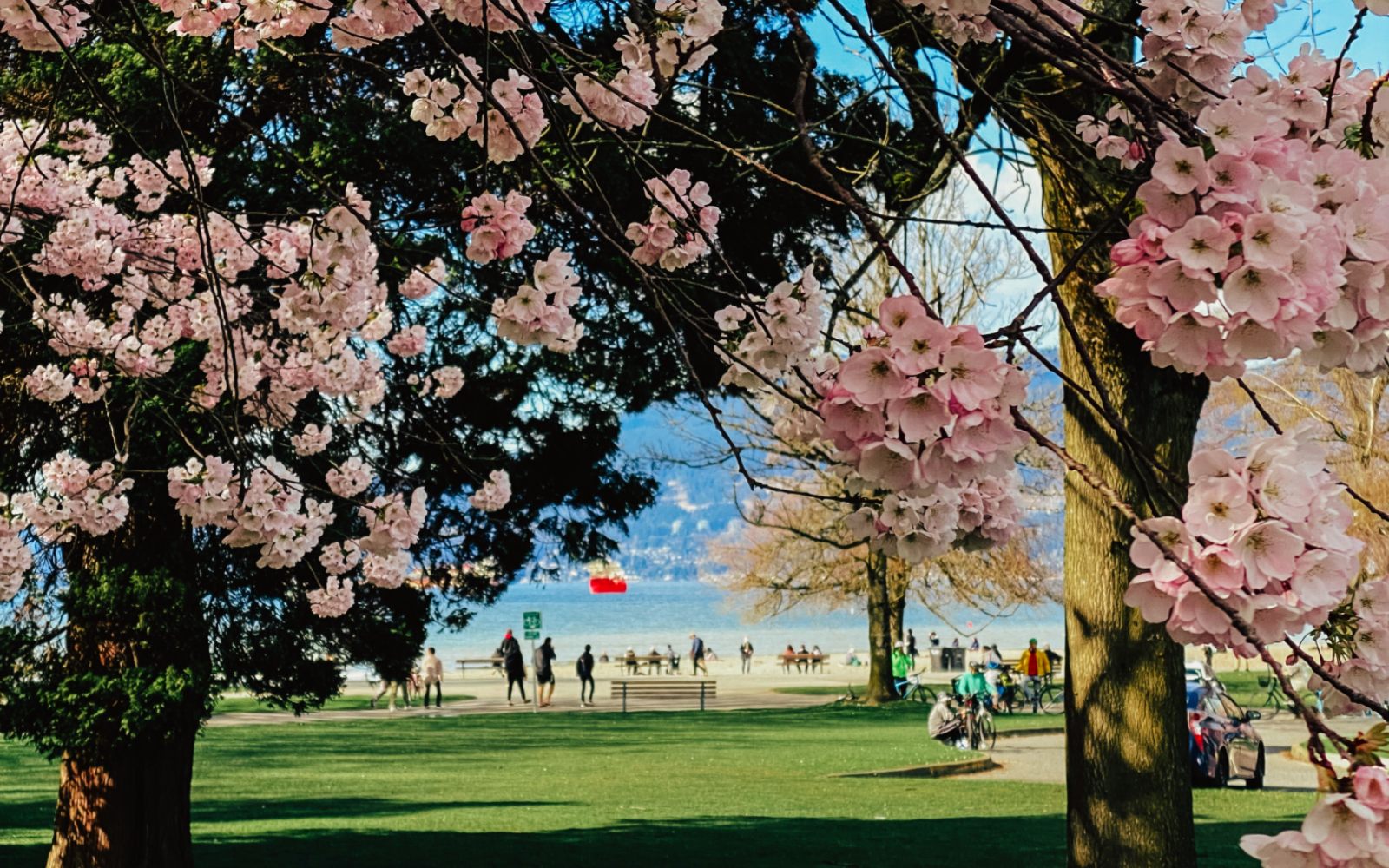
As the days lengthen and the first green shoots emerge from winter soil, heritage homeowners across the Lower Mainland face a meaningful question: what does spring gardening look like when you're stewarding a property with history?
Your heritage home's garden is as much a part of its legacy as the architecture itself. The mature trees that frame your property, the established shrub borders, the original plantings—these elements tell the story of generations of care and aesthetic intention. Spring is the season when we can honor that legacy while thoughtfully restoring and renewing the garden spaces around your home.
Understanding Your Heritage Garden's Story
Before you plant a single flower or prune a single branch, it's worth understanding what your garden was meant to be. Many heritage homes in neighborhoods like Shaughnessy, Kitsilano, and the North Shore were designed with carefully considered landscape plans. The placement of trees, the selection of shrubs, the views they framed—these were intentional choices made by homeowners and landscape architects who understood how gardens enhance the character of a home.
When you walk through your property in early spring, you're not just looking at plants. You're looking at history. The Douglas fir that towers over your front entrance might be nearly a century old. The rhododendron border that lines your driveway might have been planted when your home was new. The mature oak in your backyard might have witnessed generations of family gatherings.
This perspective changes how we approach spring gardening. Rather than viewing your garden as a blank canvas to be redesigned according to current trends, a heritage approach asks: what was the original vision for this space, and how can we restore and enhance it while respecting that vision?
Native Plants and the Heritage Garden Connection
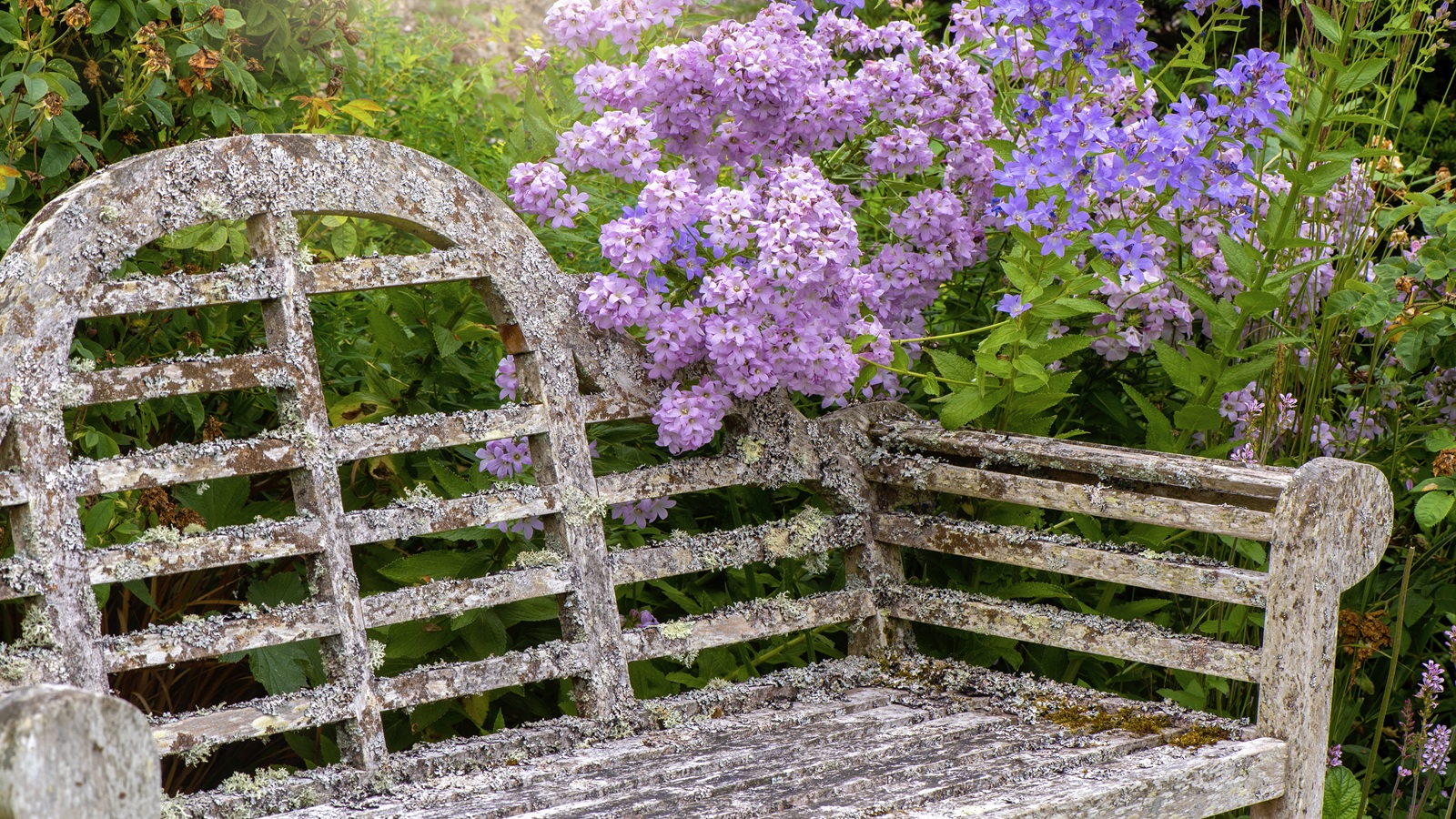
Heritage gardens feature mature tree canopies and established plantings that tell the story of generations of care
One of the most authentic ways to restore a heritage garden is to reintroduce native plants that would have been available and valued when your home was built. The early-to-mid 20th century saw growing appreciation for Pacific Northwest native plants, particularly among sophisticated homeowners in established neighborhoods.
The Lower Mainland's native plant palette offers remarkable beauty and resilience. These are plants that thrive in our specific climate, support local pollinators and wildlife, and connect your garden to the natural landscape that surrounds our region. They're also plants that heritage homeowners would have recognized and appreciated.
Spring's First Native Bloomers
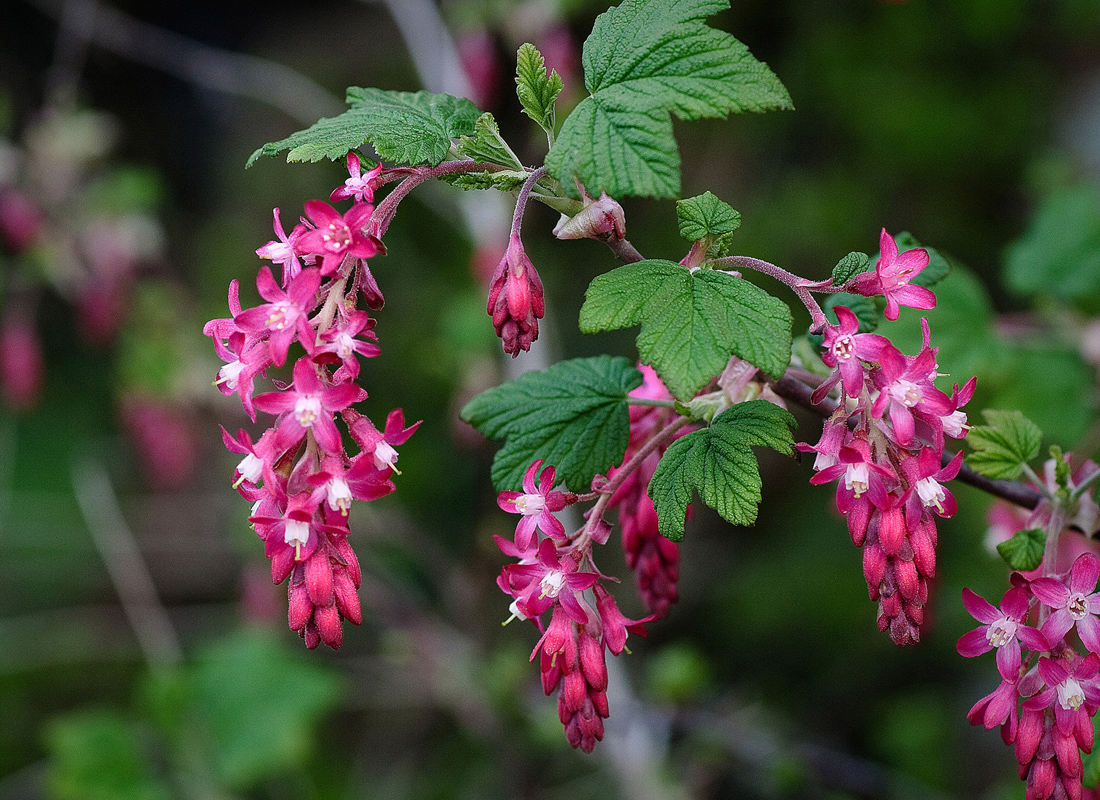
Red Flowering Currant produces delicate pink flowers in late February and early March, signaling spring's arrival
As winter releases its grip, several native shrubs burst into bloom, signaling the garden's awakening. The Red Flowering Currant (Ribes sanguineum) is often the first to announce spring, with clusters of delicate pink or red flowers appearing in late February or early March. This deciduous shrub is not merely decorative—it's a critical early nectar source for pollinators emerging from winter dormancy. In heritage gardens, it often appears as part of mixed borders or as a specimen shrub, and its presence supports the ecological health of your property.
Similarly, the Oregon Grape (Mahonia aquifolium) produces striking clusters of bright yellow flowers in early spring, followed by blue-black berries that birds and wildlife depend on. This evergreen shrub provides year-round structure and interest, making it an excellent choice for heritage gardens where architectural integrity matters.
For those with moist, woodland-like conditions, the Indian Plum (Oemleria cerasiformis) offers fragrant white flowers in early spring. This native deciduous shrub is particularly valuable in heritage gardens because it supports the entire ecosystem—early pollinators depend on its nectar, and birds rely on its ripening fruit.
Shade Gardens and the Fern Tradition
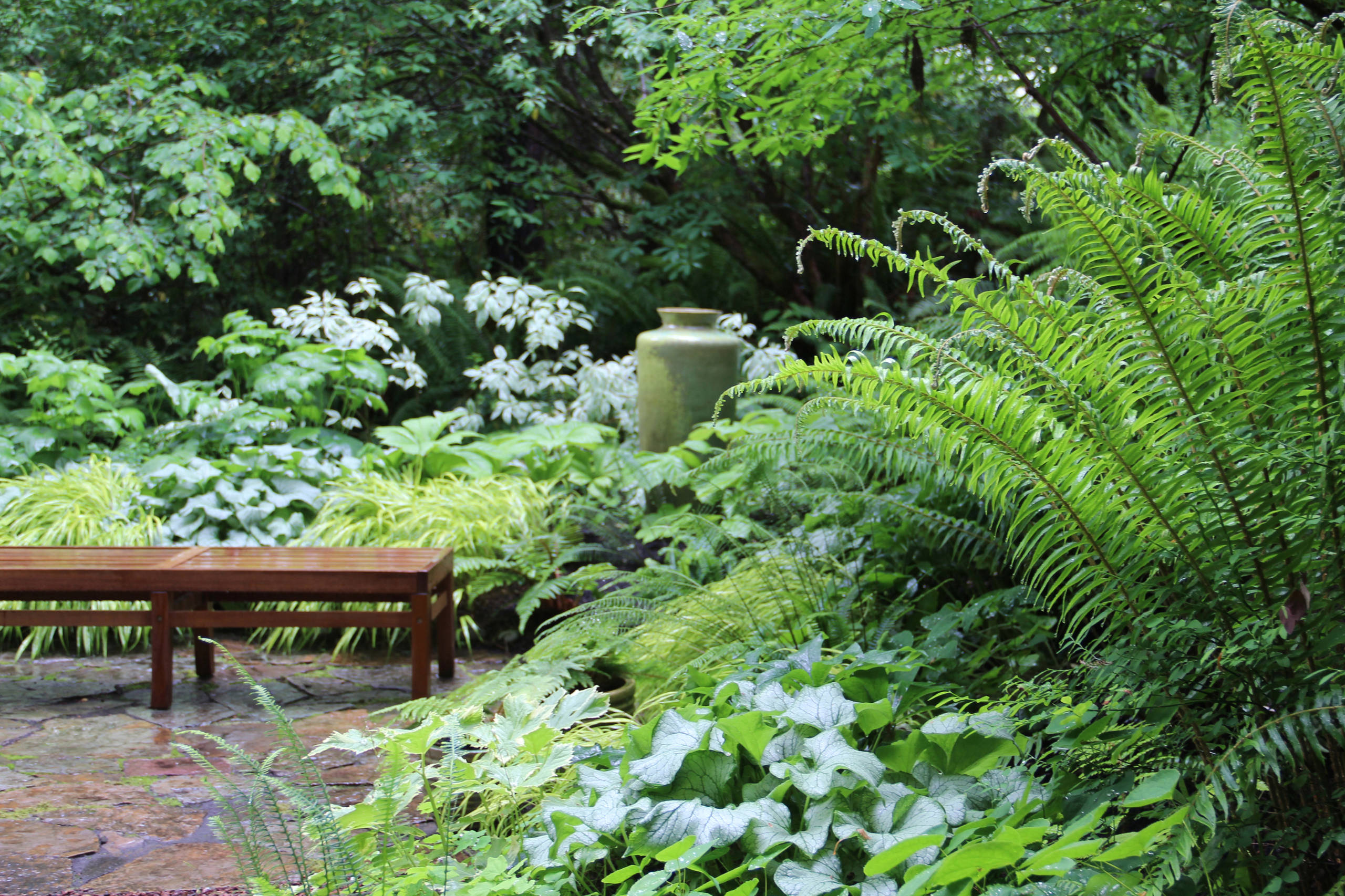
Western Sword Fern creates lush groundcover in shade, providing year-round visual interest in heritage gardens
Heritage homes often feature mature tree canopies that create dappled shade—conditions that challenge many modern ornamental plants but that support beautiful native shade gardens. The Western Sword Fern (Polystichum munitum) is iconic in this regard. This evergreen fern, native to BC forests, creates lush groundcover in shade and provides year-round visual interest. In spring, new fronds unfurl with remarkable grace, and the established fronds maintain their glossy appeal.
For spring color in shade, the Pacific Bleeding Heart (Dicentra formosa) offers delicate, heart-shaped flowers in soft pink or white. This perennial wildflower thrives in the moist, shaded conditions beneath mature trees—exactly the conditions found in many heritage gardens. Its ferny foliage adds texture, and it's remarkably tough despite its delicate appearance.
The Western Trillium (Trillium ovatum) represents another native shade plant with deep heritage connections. This ephemeral spring wildflower produces delicate white flowers with three petals and three leaves—a botanical perfection that appeals to gardeners who appreciate nature's design. Trilliums prefer morning sun and afternoon shade, conditions easily created beneath deciduous trees.
Restoring Heritage Fruit and Berry Gardens
Many heritage homes, particularly those built in the early-to-mid 20th century, featured productive gardens that provided fruit and berries for the household. Restoring these elements is both historically authentic and practically rewarding.
The Salmonberry (Rubus spectabilis) is a native deciduous shrub that produces stunning pink flowers in spring and delicious edible berries in summer. Historically, these berries were valued by Indigenous peoples and early settlers alike. In a heritage garden context, salmonberry represents both aesthetic beauty and productive tradition. It does require moist, well-drained soil and room to spread, making it suitable for larger properties or woodland edges.
Red Huckleberry (Vaccinium parvifolium) and Evergreen Huckleberry (Vaccinium ovatum) offer similar benefits—spring flowers, summer berries, and wildlife value. These plants thrive in the acidic, well-drained soils common in Lower Mainland gardens and provide food for both humans and wildlife.
The Heritage Rose Garden

Nootka Rose produces fragrant pink flowers in spring and summer, offering authenticity and resilience for heritage gardens
No discussion of heritage gardens is complete without acknowledging roses. The Nootka Rose (Rosa nutkana) is British Columbia's native rose—a plant with deep regional significance. It produces fragrant pink or white flowers in spring and summer, followed by attractive rose hips in fall. Unlike many modern hybrid roses, the Nootka Rose is well-adapted to coastal conditions and requires minimal fussing.
In heritage gardens, roses often occupy prominent positions—trained along fences, featured in dedicated rose gardens, or integrated into mixed borders. The Nootka Rose offers authenticity and resilience, making it an excellent choice for restoring heritage rose plantings.
Spring Gardening Practices for Heritage Properties
Beyond plant selection, spring gardening in a heritage context involves specific practices that honor the garden's history while supporting its future.
Thoughtful Pruning: Rather than aggressive rejuvenation pruning, heritage gardens benefit from selective pruning that maintains the plant's natural form while removing dead or crossing branches. This approach respects the original design intent while keeping plants healthy and vigorous.
Soil Restoration: Many heritage gardens have been gardened for decades, and the soil may be depleted. Spring is an excellent time to add compost and organic matter, restoring soil health without introducing harsh chemicals. This supports both plant growth and the soil ecosystem that sustains your garden.
Respecting Mature Trees: The mature trees in your heritage garden are irreplaceable assets. Rather than removing them, work with them. Understand their needs, provide appropriate care, and design plantings that complement rather than compete with them.
Seasonal Observation: Before making major changes, spend a full season observing your garden. Note which areas receive sun and shade at different times of day. Observe where water collects after rain. Watch which plants thrive and which struggle. This observation informs authentic restoration decisions.
Creating a Spring Planting Plan
If you're planning to restore or enhance your heritage garden this spring, consider these principles:
Start with a clear understanding of your property's existing conditions. Assess your soil type, drainage patterns, light exposure, and existing plantings. This assessment guides plant selection and placement.
Choose plants that are native to the Lower Mainland and that would have been available and valued when your home was built. This creates historical authenticity while supporting local ecosystems.
Think in layers. Heritage gardens typically feature tall trees, understory shrubs, and groundcovers—a layered structure that creates depth and visual interest while supporting wildlife habitat.
Consider bloom time and seasonal interest. A well-designed heritage garden offers something beautiful in every season—spring flowers, summer berries, fall color, and winter structure.
Work with a landscape professional who understands heritage gardens if you're planning significant changes. The difference between thoughtful restoration and well-intentioned damage can be substantial.
The Deeper Value of Heritage Gardening
Restoring a heritage garden is about more than aesthetics or property value, though both matter. It's about stewardship—about recognizing that the garden surrounding your home is part of a continuum of care that extends backward to previous owners and forward to future ones.
When you plant a native shrub in spring, you're not just adding a plant. You're participating in the ongoing story of your property. You're making a choice to honor the past while creating beauty for the future. You're supporting the local ecosystem and connecting your home to the landscape that defines the Lower Mainland.
This is the philosophy that guides heritage gardening. It's about understanding that some things—like a well-designed garden surrounding a beautiful heritage home—are worth preserving and restoring with care and intention.
As you step into your garden this spring, take a moment to consider its history. What was the vision of those who designed it? What plants have thrived here for decades? What can you restore, renew, and honor? These questions lead not just to a more beautiful garden, but to a deeper connection with your home and its place in the landscape.
Resources for Heritage Gardeners
The Fraser Valley Conservancy publishes an excellent guide to gardening with native plants in the Lower Mainland and Fraser Valley. The Native Plants PNW website offers an encyclopedia of Pacific Northwest native plants with detailed growing information. Local nurseries increasingly carry native plants—ask specifically for Lower Mainland natives when shopping for spring plantings.
Consider connecting with local heritage preservation societies and garden clubs. These organizations often have members with deep knowledge of heritage gardens and can offer guidance specific to your neighborhood and property.
Your heritage home deserves a garden that honors its history while supporting its future. Spring is the season to begin that work.
Share This Article
Ana Matovinovic
Heritage homes specialist throughout the Lower Mainland, including Shaughnessy, Kitsilano, Mount Pleasant, Vancouver's West End, the North Shore, Burnaby, and New Westminster. Ana brings a European perspective on heritage preservation, combining respect for architectural history with modern comfort and luxury.
Related Articles
Victorian Architecture in Shaughnessy: Preserving Architectural Masterpieces
Explore the distinctive Victorian and Edwardian architectural styles that define Shaughnessy and learn how to preserve these architectural gems.
Heritage Home Inspection Checklist: A Comprehensive Guide to Evaluating Your Property
Learn what to look for during a heritage home inspection, from foundations to electrical systems, with expert guidance for Lower Mainland properties.
Learn More About Heritage Homes
Our Services
Discover how we specialize in marketing heritage homes with authentic storytelling and strategic positioning.
Explore Services →Heritage Resources
Access guides, tips, and resources for preserving and maintaining your heritage home's character and value.
View Resources →Interested in Heritage Home Marketing?
Let's discuss how to position your heritage home and connect with buyers who truly value its character and significance.
Schedule a Consultation