The Visionaries Behind Shaughnessy: How the CPR Created Vancouver's Most Exclusive Neighborhood
In 1907, when Vancouver was still a young city finding its footing on the Pacific coast, a bold vision emerged that would forever shape the city's residential landscape. The Canadian Pacific Railway, already a titan of commerce and development, set out to create something unprecedented: a planned, exclusive residential enclave that would become the most prestigious address in Vancouver. This is the story of how three visionary men—Richard Marpole, Thomas Shaughnessy, and Frederick G. Todd—created a neighborhood that would endure for more than a century as a symbol of refined living and architectural excellence.
The Dream Makers
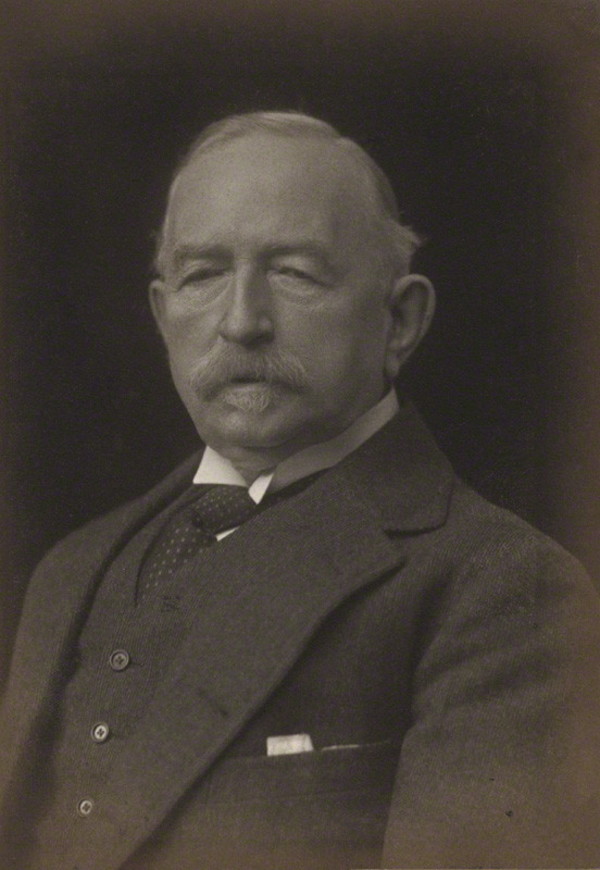
Thomas Shaughnessy, CPR President and visionary behind the Shaughnessy neighborhood
Richard Marpole, the CPR's Pacific Division superintendent, was the architect of this ambitious vision. In the early 1900s, Vancouver's West End had become the preferred address for the city's elite, but it was becoming increasingly crowded and commercialized. Marpole recognized an opportunity: the CPR owned vast tracts of land in the Municipality of Point Grey, south of the city's then-limits. Why not create something better than the West End? Why not design an entirely new neighborhood from scratch, one that would be more exclusive, more beautiful, and more carefully planned than anything that had come before?
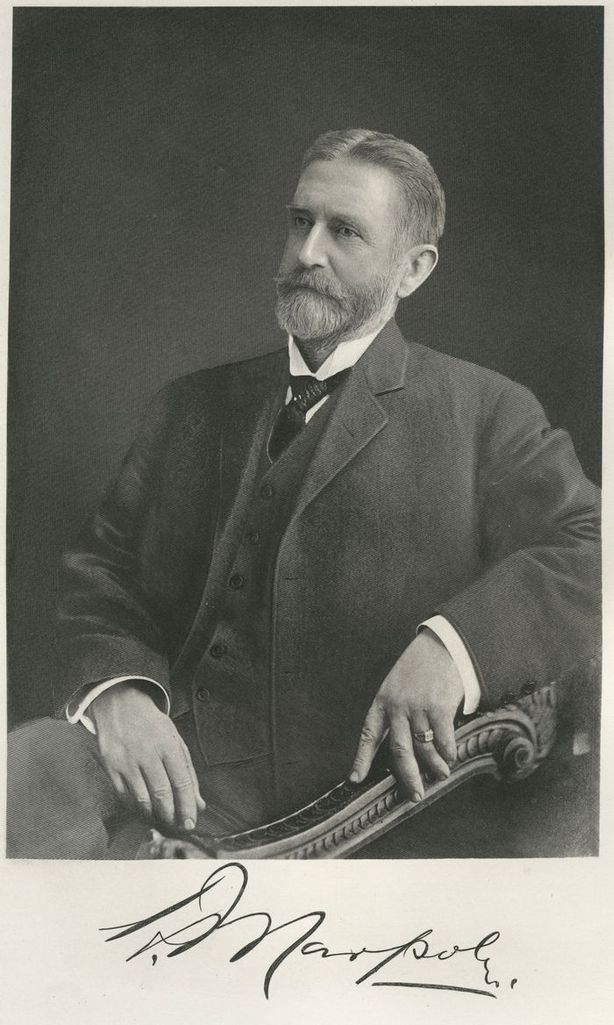
Richard Marpole, CPR Pacific Division Superintendent, who conceived the Shaughnessy vision
Thomas Shaughnessy, the CPR's president from 1899 to 1918, lent his name and considerable influence to the project. As one of Canada's most powerful railroad executives, Shaughnessy understood the value of strategic investment and long-term vision. The neighborhood that bears his name became a testament to his belief that the CPR's role extended beyond transportation—the company could shape the very fabric of communities.
Frederick G. Todd, a landscape architect of international renown, brought the artistic and philosophical vision to life. Todd was a disciple of the City Beautiful movement, a design philosophy that emphasized orderly, picturesque urban environments with integrated green spaces and carefully planned street layouts. Todd had already made his mark on Canadian cities, and his appointment to design Shaughnessy signaled that this would be no ordinary suburban development.
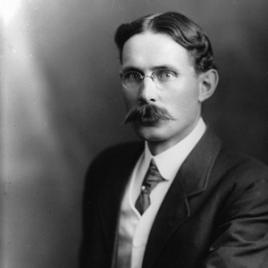
Frederick G. Todd, landscape architect and visionary designer of Shaughnessy's iconic layout
A $2 Million Investment in Excellence
When the CPR announced its plans for Shaughnessy in 1907, they weren't thinking small. The company invested approximately $2 million in preparatory infrastructure—an enormous sum for the era. This wasn't just about laying roads and sewers; it was about creating an environment of unparalleled beauty and exclusivity.
The CPR planted mature trees throughout the neighborhood, understanding that instant maturity would convey permanence and prestige. They invested in carefully designed roads and utilities. They created Shaughnessy Park, known locally as The Crescent, a circular green space that would become the neighborhood's iconic centerpiece. In 1909, they planted this park with 47 species of rare trees, creating a botanical showcase that would define the neighborhood's character for generations to come.
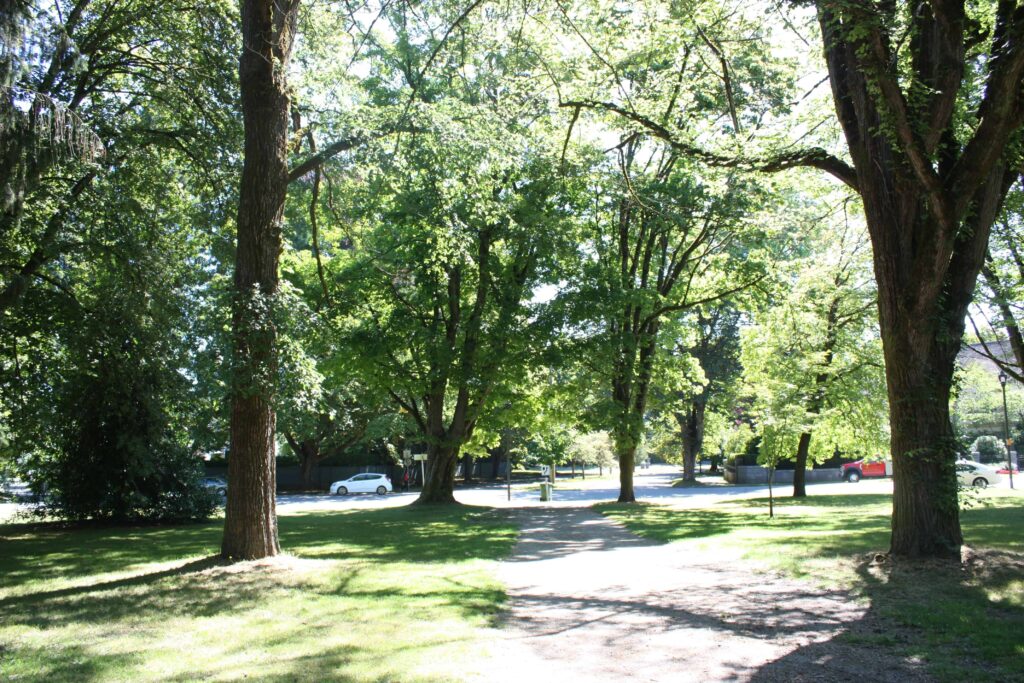
The Crescent at Shaughnessy Park, the iconic centerpiece envisioned by Frederick G. Todd
This level of investment reflected a sophisticated understanding of real estate development. The CPR wasn't simply subdividing land; they were creating an entire ecosystem of beauty, exclusivity, and permanence.
The Rules of Exclusivity
To ensure that Shaughnessy would remain the exclusive enclave they envisioned, the CPR established strict requirements for property owners. The minimum cost to build a home was $6,000—an astronomical sum in 1907, far exceeding the cost of an average home. This single requirement ensured that only the wealthiest Vancouverites could afford to build in Shaughnessy.
Lot sizes were mandated to be at least 10,000 square feet, more than twice the standard size of the era. This generous spacing would preserve the estate-like quality of the neighborhood and prevent the crowding that had begun to plague the West End.
Perhaps most importantly, the CPR retained the right to approve every building design. This wasn't a neighborhood where owners could build whatever they wished. Every home had to meet the CPR's exacting standards for architecture, materials, and construction quality. This design control ensured architectural coherence and prevented the visual chaos that often accompanies unregulated development.
These restrictions were formalized in the 1914 Shaughnessy Settlement Act, which prevented lot subdivisions and locked in the neighborhood's character for decades to come. The CPR understood that true exclusivity required not just initial restrictions, but permanent protections.
The Vision Made Real
When initial lot sales began in 1909 through public auctions, Vancouver's elite responded enthusiastically. Here was an opportunity to own a piece of something unprecedented—a neighborhood designed by visionaries, built to the highest standards, and protected by permanent restrictions. The early residents of Shaughnessy included mining magnates, industrialists, business leaders, and professionals who understood the value of what they were acquiring.
Between 1910 and 1920, the Golden Age of Shaughnessy construction, grand homes began to rise on the neighborhood's tree-lined streets. Architects like Samuel Maclure and Cecil Fox designed homes that combined artistic vision with exceptional craftsmanship. Homes like Hycroft Manor, built for mining magnate Alexander McRae, and Glen Brae, designed by architects Parr and Fee, showcased the architectural excellence that Shaughnessy had attracted.
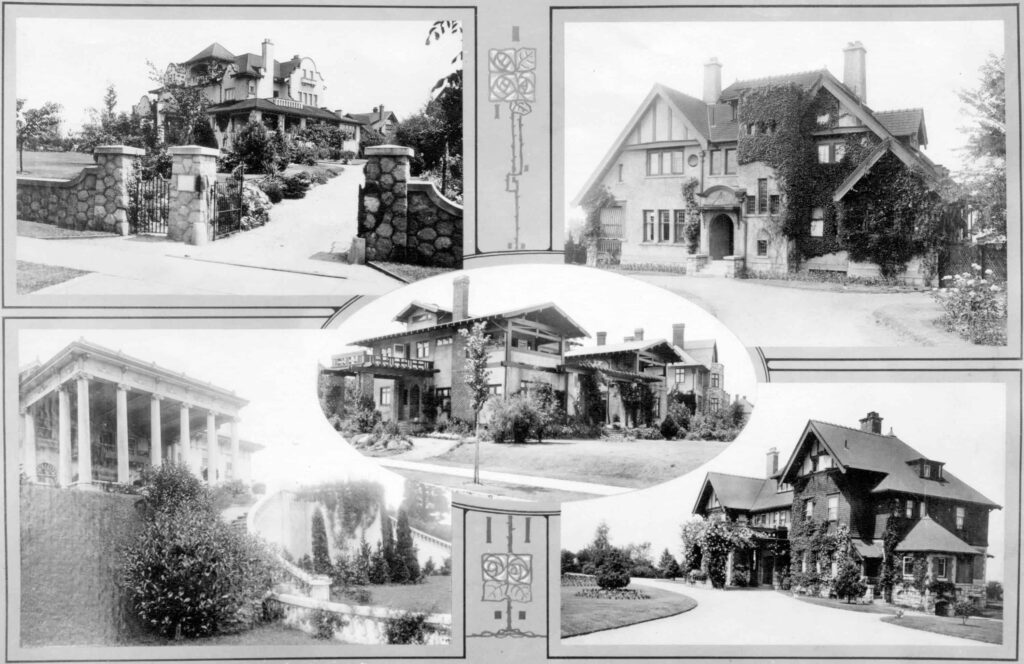
Shaughnessy's Golden Era homes, showcasing the architectural excellence and craftsmanship of the 1910s-1920s
These weren't merely large homes; they were masterpieces of residential design. Arts and Crafts details, Tudor Revival half-timbering, Georgian proportions, and Federal Colonial symmetry all found expression in Shaughnessy's architecture. Every home was a statement of taste, refinement, and commitment to quality.
A Legacy of Vision
More than a century later, Shaughnessy remains a testament to the vision of Richard Marpole, Thomas Shaughnessy, and Frederick G. Todd. While the neighborhood has faced challenges—from the Great Depression to modern development pressures—the fundamental character that these visionaries created has endured.
In 2015, First Shaughnessy was officially designated as a Heritage Conservation Area, recognizing the neighborhood's historical and architectural significance. This designation represents a modern acknowledgment of what Marpole, Shaughnessy, and Todd understood in 1907: that thoughtful planning, careful design, and commitment to quality create something enduring and valuable.
Today, when you walk through Shaughnessy's tree-lined streets, past homes that have been lovingly maintained for over a century, you're experiencing the vision of three men who understood that a neighborhood is more than just a collection of houses. It's a carefully orchestrated environment where architecture, landscape, and community come together to create something greater than the sum of its parts.
The visionaries behind Shaughnessy proved that with imagination, resources, and unwavering commitment to excellence, it's possible to create a neighborhood that transcends time. In an era of rapid development and short-term thinking, Shaughnessy stands as a reminder of what's possible when we think bigger, plan more carefully, and prioritize lasting beauty over quick profits.
Share This Article
Ana Matovinovic
Heritage homes specialist throughout the Lower Mainland, including Shaughnessy, Kitsilano, Mount Pleasant, Vancouver's West End, the North Shore, Burnaby, and New Westminster. Ana brings a European perspective on heritage preservation, combining respect for architectural history with modern comfort and luxury.
Related Articles
Victorian Architecture in Shaughnessy: Preserving Architectural Masterpieces
Explore the distinctive Victorian and Edwardian architectural styles that define Shaughnessy and learn how to preserve these architectural gems.
Heritage Home Inspection Checklist: A Comprehensive Guide to Evaluating Your Property
Learn what to look for during a heritage home inspection, from foundations to electrical systems, with expert guidance for Lower Mainland properties.
Learn More About Heritage Homes
Our Services
Discover how we specialize in marketing heritage homes with authentic storytelling and strategic positioning.
Explore Services →Heritage Resources
Access guides, tips, and resources for preserving and maintaining your heritage home's character and value.
View Resources →Interested in Heritage Home Marketing?
Let's discuss how to position your heritage home and connect with buyers who truly value its character and significance.
Schedule a Consultation